- CBT
- Psychodynamic
- Somatic work
About Ana
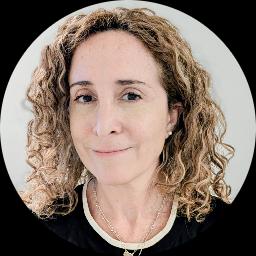
Ana Budeguer is a Florida licensed mental health counselor (LMHC) with 17 years of clinical experience. She helps people who are dealing with relationship strain, family conflict, trauma and abuse, grief, and major life changes. She speaks English and Spanish and draws on her background working with immigrant communities to inform her approach.
She was born and raised in Argentina and has lived in the United States for more than 20 years. That personal and professional perspective shapes how she talks about immigration issues, cultural adjustment, and the stress caregivers often face. Her work often addresses feelings of isolation, abandonment, jealousy, and struggles with communication after separation or infidelity.
Ana uses a mix of methods in sessions. She applies cognitive behavioral ideas to notice and change unhelpful thoughts and behaviors. She also uses psychodynamic ideas to look at patterns rooted in early relationships and how those affect current reactions. Somatic techniques and trauma-focused work help when the body holds stress from past events.
In practical terms she aims for straightforward conversations about coping skills, problem solving, and relationship patterns. Sessions often include checking current stressors, identifying small steps to try between meetings, and talking through difficult memories when needed. She encourages realistic, manageable changes rather than quick fixes.
Her experience covers a wide range of family-related problems, caregiver stress, immigration-related strain, and recovery from violence or separation. People who want a clinician familiar with both English and Spanish cultural contexts often find her background relevant. If you plan to book, confirm current session formats before scheduling.
Approach to therapy online and what methods look like
Ana commonly draws on cognitive behavioral therapy to help people spot unhelpful thoughts and test new behaviors. CBT is useful for mood swings, low periods, and coping with daily stressors by teaching concrete skills and experiments to try between sessions.She also uses psychodynamic ideas to identify repeated relationship patterns that come from early attachments. This work looks at how past experiences shape present reactions and can help when problems keep returning despite best efforts.
Finding the right approach is part of the work. She will collaborate with clients to decide whether to focus more on skills-based CBT, deeper psychodynamic exploration, or somatic and trauma-focused practices depending on goals and what feels most helpful.
Session formats are not specified in the biography, so confirm current options before booking. Online sessions can make it easier to fit therapy into a busy day, allow shorter check-ins when needed, and reduce travel time. Some approaches, like somatic or trauma-focused work, may involve pacing and gentle body-focused techniques that are adapted for remote meetings when appropriate.
Areas of expertise
Primary focus
Additional focus areas
Therapeutic approaches
Experience
17+ years
Credentials
Florida
Languages
English, Spanish
Frequently asked questions
What concerns does she address?
She works with relationship strain, family conflicts, trauma and abuse, grief, and coping with life changes, along with related issues such as attachment, abandonment, and caregiver stress.
What is her therapeutic style?
She blends cognitive behavioral, psychodynamic, somatic, and trauma-focused approaches to address thoughts, patterns, and body-held stress in practical ways.
How much experience does she have?
She has 17 years of professional experience working with a range of relationship and trauma-related concerns.
What credential does she hold and where is she based?
She is a Florida LMHC and practices in Florida.
Which languages are offered for sessions?
Sessions are offered in English and Spanish.
Does she work with international clients?
She does not accept international clients at this time.
How are session costs handled?
Cost varies with location and sessions operate through a subscription model that can be canceled at any time.
How do I begin working together?
Use the See online therapy options button, complete a short matching questionnaire, and schedule a first session.
Before you reach out
- Check that the state license on record covers the state you live in.
- You do not need a diagnosis or the right words. Saying "my mood has been up and down" or "I have felt low for weeks" is a fine place to start.
- Counselors offer talking support. Questions about medication belong with a doctor or psychiatrist, and the two can go side by side.
- A profile shows the topics a counselor lists; it is not a diagnosis or a promise of any result.
If you feel unsafe right now, call or text 988, or call 911.