- Client-centered approach
- Cognitive behavioral tools
- Mindfulness practices
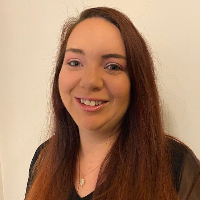
About Andrea
Andrea LeBeau is a Licensed Specialist Clinical Social Worker (LSCSW) in Kansas with seven years of experience. She works with people managing mood-related concerns such as anxiety, depression, anger, grief, and coping with life changes, as well as parenting and family-related stress. Andrea also addresses issues linked to trauma, abuse, and compassion fatigue.
Her approach is straightforward and client-centered. She listens first and then uses clear communication and direct feedback. Andrea combines several therapeutic methods to match what each person needs, using tools that help with thought patterns, present-moment awareness, and personal stories.
Andrea has a background in child welfare and family-based therapy, where much of her work focused on helping families stay together and improving family dynamics. She has provided crisis counseling through work with a national suicide hotline and brings that experience to handling intense or urgent concerns.
In practice she supervises other therapists who provide services to families in foster care. That administrative and clinical oversight informs how she structures sessions and collaborates with people around parenting, adoption and foster care matters, and attachment issues.
Clients can expect direct, respectful dialogue and practical steps to try between meetings. Andrea uses evidence-informed techniques from client-centered therapy, cognitive behavioral approaches, mindfulness, motivational interviewing, and narrative work to help people notice patterns and make gradual changes.
How Andrea integrates approaches for online sessions
Andrea commonly uses client-centered therapy, cognitive behavioral therapy (CBT), and mindfulness in her work. Client-centered therapy focuses on listening and reflecting back what matters to the person, which helps clarify goals and priorities. CBT looks at patterns of thinking and behavior and teaches practical skills to reduce distress and change unhelpful habits. Mindfulness practices teach simple attention exercises to reduce reactivity and improve calm in everyday moments. Deciding which approach to use is a collaborative process. Andrea will talk with each person about their goals and preferences and try methods that fit those needs. She adjusts pacing and techniques based on feedback so sessions remain practical and relevant. Session formats are not stated in the profile, so confirm available online options before booking. Online work can make it easier to fit therapy into a busy life - it can shorten travel time, allow a quicker check-in between appointments, or make scheduling around work and caregiving responsibilities simpler. Therapists can also adapt exercises for use during or between sessions so people can practice skills in their everyday routines.Areas of expertise
Primary focus
Also works with
Additional focus areas
Therapeutic approaches
Experience
7+ years
Credentials
Kansas
Languages
English
Frequently asked questions
What concerns does she support?
She works with anxiety, depression, anger, grief, parenting and family stress, trauma and compassion fatigue, among other mood-related issues.
What is her therapeutic style?
Her style is client-centered and direct; she listens first, offers clear feedback, and combines practical techniques to address current concerns.
How much experience does she have?
She has seven years of experience working as a therapist, primarily in child welfare and family-based therapy settings.
What credential does she hold and where is she based?
She is a KS LSCSW - Licensed Specialist Clinical Social Worker practicing in Kansas.
Which languages are supported?
Sessions are offered in English.
Does she work with international clients?
She does not accept international clients at this time.
How are sessions paid for?
Cost varies with location and sessions use a subscription that can be canceled at any time.
How do I begin working with her?
Select the See online therapy options button, complete the short matching questionnaire, and schedule a first session.
Before you reach out
- Check that the state license on record covers the state you live in.
- You do not need a diagnosis or the right words. Saying "my mood has been up and down" or "I have felt low for weeks" is a fine place to start.
- Counselors offer talking support. Questions about medication belong with a doctor or psychiatrist, and the two can go side by side.
- A profile shows the topics a counselor lists; it is not a diagnosis or a promise of any result.
If you feel unsafe right now, call or text 988, or call 911.