- CBT strategies
- Client-centered work
- Motivational interviewing
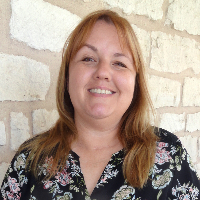
About Angela
Angela Gardner is a Licensed Clinical Social Worker (LCSW) in Texas with nine years of clinical experience. She works with people dealing with stress, anxiety, depression, trauma and abuse, anger, addiction, relationship strain, grief, sleep problems, parenting stress, ADHD and related concerns.
She has a background working in hospitals and jails and with people who have faced acute mental health challenges and substance use issues. That experience shapes a practical approach to everyday problems. Angela also has taught at the university level and brings that interest in learning into her work with clients.
In sessions she focuses on clear, down-to-earth conversation. She uses strategies drawn from client-centered methods, cognitive behavioral techniques, emotionally-focused ideas, motivational interviewing and solution-focused work. She aims to help people identify small, doable changes and to practice skills between visits.
Angela says humor can be helpful when it fits, and she adapts how she works to each person's concerns and background. She emphasizes collaboration rather than a one-size-fits-all method. People who want direct, practical support for low mood, mood swings or trouble managing stress often find this approach useful.
Her work is grounded in nine years as an LCSW in Texas and broader experience in clinical settings. Prospective clients who want to begin are asked to follow the site's steps to match and schedule an initial appointment. If you need sessions in English or wish to consider international options, note that English is the language she uses.
Therapeutic approaches and remote sessions
Angela commonly uses cognitive behavioral therapy and client-centered therapy in her work. CBT focuses on identifying unhelpful thoughts and testing small behavioral changes to reduce low mood and anxiety. Client-centered therapy emphasizes listening and reflecting so people can clarify values and goals and decide what changes feel right.She also draws on motivational interviewing to help with readiness for change, especially around substance use or behavior shifts. That approach helps people weigh options and find internal motivation rather than feeling pushed. Choosing which approaches to use is a collaborative process and she works with each person to find the best fit based on goals and preferences.
Session formats are not listed in the biography, so confirm available online options before booking. Many people find remote sessions useful for fitting therapy into workdays, making shorter check-ins possible, or avoiding travel to appointments. The therapist will discuss which methods and session lengths match your needs when you complete the matching steps and schedule an initial meeting.
Areas of expertise
Primary focus
Also works with
Additional focus areas
Therapeutic approaches
Experience
9+ years
Credentials
Texas
Languages
English
Frequently asked questions
What kinds of concerns does she help with?
She works with stress, anxiety, depression, trauma and abuse, anger, addictions, relationship and family concerns, grief, sleep problems, parenting stress, ADHD and related issues.
What is her therapeutic style?
She uses a practical, conversational style that draws from client-centered work, CBT, EFT, motivational interviewing and solution-focused techniques to find workable steps.
How much experience does she have?
She has nine years of experience as an LCSW and has also worked in hospital and jail settings earlier in her career.
What are her credentials and location?
She is an LCSW licensed in Texas and practices from that state.
Can I work with her if I live outside the United States?
She accepts international clients and conducts sessions in English.
What session formats are offered?
Please confirm current session formats before booking by using the site's matching steps, since formats are not specified in the biography.
How are fees handled?
Cost varies with location and sessions use a subscription that can be canceled at any time.
How do I begin working with her?
Use the See online therapy options button, complete a short matching questionnaire, and schedule a first session.
Before you reach out
- Check that the state license on record covers the state you live in.
- You do not need a diagnosis or the right words. Saying "my mood has been up and down" or "I have felt low for weeks" is a fine place to start.
- Counselors offer talking support. Questions about medication belong with a doctor or psychiatrist, and the two can go side by side.
- A profile shows the topics a counselor lists; it is not a diagnosis or a promise of any result.
If you feel unsafe right now, call or text 988, or call 911.