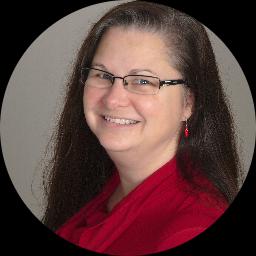
About Ann
Ann Hurst is an Ohio LPCC with 18 years of clinical experience helping people who feel very low, overly anxious, or stuck after big life changes. She works with adults facing depression, anxiety, stress, trauma, and the everyday strain of caregiving or illness. Sessions are focused and practical, with attention to what causes mood to go up and down.
Ann usually begins by listening to what is most pressing and what the person hopes to change. She uses clear, evidence-based techniques to build coping skills and lessen emotional overwhelm. Conversations are steady and direct, aimed at making daily life easier rather than using jargon.
Her practice includes support for people dealing with grief, guilt or shame, and those wrestling with questions of life purpose. She also helps people manage panic, obsessive thinking, phobias, and the stress that can come from work or chronic health problems. Military and veteran experiences are among the topics she is familiar with.
Ann has worked with older adults, younger adults, and caregivers across a range of situations. She draws on methods that focus on skills training, emotional processing, and improving daily routines. The goal is practical change that reduces mood swings and long low periods.
Appointments move at a steady pace and focus on what someone can try between sessions. Prospective clients complete a short questionnaire and then schedule a first meeting to see if the approach fits. Sessions are offered in English for people located in Ohio.
How Ann uses evidence-based methods online
Ann draws on well-established therapeutic techniques that focus on skills and emotional processing. One common approach teaches practical coping skills for managing strong emotions, like grounding and breathing strategies, and helps people use those tools during stressful moments. Another approach focuses on slowly processing difficult memories or emotions so they have less power over daily mood and behavior.Finding the right approach is part of the work. Ann will talk with a client about current problems, goals, and what feels most manageable. Together they decide which methods to try and adjust them as needed based on the person's needs and preferences.
If you want online sessions, confirm the exact session formats before booking since the biography does not list them. Many people find remote sessions make it easier to fit therapy into a busy week, allow shorter check-ins when needed, or avoid travel time. Licensed professionals can still help people learn skills, process difficult feelings, and practice new ways of coping even when meeting remotely.
Areas of expertise
Primary focus
Additional focus areas
Experience
18+ years
Credentials
Ohio
Languages
English
Frequently asked questions
What concerns does she help with?
She works with stress, anxiety, depression, trauma, caregiving strain, and mood-related challenges.
What style of therapy does she use?
She uses evidence-based therapeutic techniques focused on skill building and emotional processing to reduce overwhelming feelings.
How many years of experience does she have?
Ann has 18 years of clinical experience working with adults on mood and stress concerns.
What are her credentials and location?
She is an LPCC licensed in Ohio and practices with people located in that state.
Does she offer sessions in other languages or countries?
Sessions are offered in English and international clients are not currently accepted.
Which session formats are available?
The original biography does not list specific formats; please confirm current session options before booking.
How are fees handled?
Cost varies by location and sessions use a subscription that can be canceled at any time.
How do I begin working with her?
Use the See online therapy options button, complete a short matching questionnaire, and schedule a first session.
Before you reach out
- Check that the state license on record covers the state you live in.
- You do not need a diagnosis or the right words. Saying "my mood has been up and down" or "I have felt low for weeks" is a fine place to start.
- Counselors offer talking support. Questions about medication belong with a doctor or psychiatrist, and the two can go side by side.
- A profile shows the topics a counselor lists; it is not a diagnosis or a promise of any result.
If you feel unsafe right now, call or text 988, or call 911.