- Depression and bipolar
- Trauma informed methods
- Parenting and grief
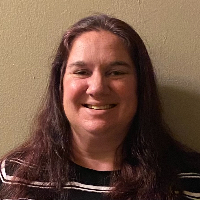
About Barbara
Barbara "Barb" Kroening is an Iowa LISW - Licensed Independent Social Worker with 12 years of experience helping people with mood and life challenges. She works with concerns such as depression, bipolar mood patterns, anxiety, grief, trauma and relationship struggles. She also addresses stress, parenting strain, addiction-related issues, and questions about life purpose.
Barb focuses on practical conversation and steady support. She listens without judgment and encourages honest, direct discussion about what is happening now. Sessions emphasize clear steps people can try between meetings and realistic goals that fit everyday life.
Her background includes substantial work with people facing substance use, anger, trauma history, grief and parenting challenges. She has experience engaging with immigration-related issues from both a professional and personal perspective. That experience informs how she talks about stressors that come from moving countries or family separation.
Barb uses approaches that center the person and build on their strengths. She draws on client-centered methods, motivational interviewing, solution-focused work and trauma-informed practices to shape conversations. Mindfulness techniques are used to help with grounding and managing strong emotions.
People who prefer straightforward language and a practical focus often find her style accessible. She offers steady, respectful guidance while helping clients set manageable next steps. To confirm current session options and scheduling details, readers should follow the site's booking flow before arranging a first visit.
How her approaches translate to online work
Client-Centered Therapy focuses on listening and reflecting what the person says so they feel understood and can consider new choices. It helps with low mood, relationship worries and deciding next steps. Motivational Interviewing is a brief, goal-focused style that helps when someone feels stuck or unsure about change; it supports clearer decision making around behaviors like substance use or lifestyle shifts. Trauma-Focused Therapy concentrates on skills for managing strong reactions and processing upsetting events in a paced way that reduces overwhelm.Finding the right mix of these approaches is part of the process. The therapist works collaboratively with each person to decide what fits best based on their goals, mood patterns and life demands. That discussion can shift over time as needs change.
Session formats are not specified in the biography, so confirm current options before booking. Online work can make it easier to fit sessions into a busy week, shorten travel time and allow check-ins that match a client’s schedule. It also makes it possible to use mindfulness exercises, solution-focused planning and motivational interviewing in ways that fit everyday routines without promising a particular format.
Areas of expertise
Primary focus
Also works with
Additional focus areas
Therapeutic approaches
Experience
12+ years
Credentials
Iowa
Languages
English
Frequently asked questions
What concerns does she help with?
She works with depression and bipolar mood patterns, anxiety, grief, trauma, relationship and parenting challenges, plus stress and addiction-related issues.
What is her general therapeutic style?
She practices client-centered conversation with solution-focused and motivational interviewing elements, using mindfulness and trauma-informed approaches when helpful.
How much clinical experience does she have?
She has 12 years of experience as a social worker supporting people with substance use, anger, trauma history, grief and parenting concerns.
What credentials and region apply?
She is an LISW - Licensed Independent Social Worker in Iowa.
Which languages are supported?
Sessions are offered in English.
Can people outside the US work with her?
She does not accept international clients at this time.
How are sessions paid for?
Cost varies by location and sessions use a subscription model that can be canceled at any time.
How do I start a first session?
Use the See online therapy options button, complete the short matching questionnaire, and then schedule your first session through the site.
Before you reach out
- Check that the state license on record covers the state you live in.
- You do not need a diagnosis or the right words. Saying "my mood has been up and down" or "I have felt low for weeks" is a fine place to start.
- Counselors offer talking support. Questions about medication belong with a doctor or psychiatrist, and the two can go side by side.
- A profile shows the topics a counselor lists; it is not a diagnosis or a promise of any result.
If you feel unsafe right now, call or text 988, or call 911.