- CBT and DBT methods
- Client-centered care
- Mindfulness practice
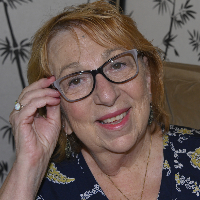
About Barbara
Dr. Barbara Prosniewski is a California psychologist (CA Psychologist PSY 17496) with 20 years of experience. She lists stress, anxiety, depression, bipolar disorder, trauma and a wide range of life concerns among her areas of focus. Dr. Prosniewski talks directly about emotions and practical ways to cope with them.
She frames therapy around respect and straightforward feedback. Sessions often include normalizing how people feel, pointing out existing strengths, and addressing patterns in thinking and communication. She uses some humor when it helps shift perspective.
Dr. Prosniewski draws on Client-Centered methods to listen and follow what matters most to the person in front of her. She also uses Cognitive Behavioral Therapy to look at thoughts and behaviors that keep problems going. Dialectical Behavior Therapy techniques are used for managing intense feelings and improving emotional regulation.
Mindfulness practices are introduced to increase present-moment awareness and reduce reactivity. Solution-Focused techniques help set clear, achievable goals and build steps toward them. Together these approaches aim to give concrete tools rather than only talk.
Her work covers a large range of life issues including parenting stress, relationship problems, grief, eating concerns, addiction, caregiving strain, chronic illness, and matters tied to family of origin. People seeking help for mood swings, long low periods, or feeling up and down may find the mix of practical skills and direct feedback useful.
How her therapeutic approaches work for online sessions
Dr. Prosniewski often uses Cognitive Behavioral Therapy to help people notice unhelpful thoughts and change behaviors that keep problems going. CBT is practical and problem-focused, which makes it useful for depression, anxiety, and mood regulation issues.She also draws on Dialectical Behavior Therapy for skills training in handling intense emotions and reducing reactivity. DBT offers clear tools for distress tolerance and emotional regulation that can be practiced between sessions. Client-Centered Therapy is part of her approach as well, emphasizing careful listening and responding to what the person says matters most.
Finding the right mix of approaches is a collaborative process. She will work with each person to decide which methods fit their needs, goals, and preferences, and adjust over time based on what helps most.
Session formats are not specified in the profile, so confirm available online options before booking. Online sessions can make it easier to fit therapy into a workday, reduce travel time, and allow shorter check-ins when needed. Discussing how to structure sessions helps fit therapy into everyday life without assuming any particular format.
Areas of expertise
Primary focus
Also works with
Additional focus areas
Therapeutic approaches
Experience
20+ years
Credentials
California
Languages
English
Frequently asked questions
What kinds of concerns does she address?
She works with stress, anxiety, depression, bipolar issues, trauma, grief, parenting strain, addiction, eating and a wide range of life changes.
What is her general approach in sessions?
She combines listening with direct feedback, normalizes emotional reactions, and teaches practical strategies for thinking and communication.
How much experience does she have?
She has 20 years of clinical experience working in California.
What credential does she hold and where is she based?
She is listed as CA Psychologist PSY 17496 and practices in California.
Which languages are offered in sessions?
Sessions are offered in English.
Can people outside the United States work with her?
She is not accepting international clients at this time.
What are the session formats she uses?
Please confirm current session options before booking, as formats are not specified in the profile.
How are fees and getting started handled?
Cost varies with location and sessions use a subscription that can be canceled at any time. To begin, use the See online therapy options button, complete the short matching questionnaire, and schedule a first session.
Before you reach out
- Check that the state license on record covers the state you live in.
- You do not need a diagnosis or the right words. Saying "my mood has been up and down" or "I have felt low for weeks" is a fine place to start.
- Counselors offer talking support. Questions about medication belong with a doctor or psychiatrist, and the two can go side by side.
- A profile shows the topics a counselor lists; it is not a diagnosis or a promise of any result.
If you feel unsafe right now, call or text 988, or call 911.