- Mood disorders
- Addiction support
- Trauma-informed care
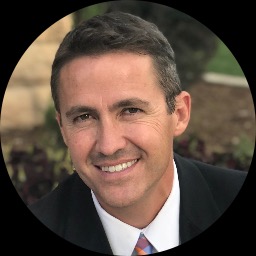
About Benjamin
Benjamin Nielson is an LCSW - Licensed Clinical Social Worker practicing in Utah with six years of clinical experience. He works with adults on concerns such as anxiety, depression, addictions, trauma and grief, and mood swings. Sessions focus on practical steps and straightforward talk to help people manage day-to-day symptoms and stressful moments.
He began working in prevention and outreach on the Navajo Nation, leading programs for at-risk youth that included experiential activities and culturally aware approaches. That background influenced his interest in trauma-informed care and working with people facing complex life challenges. He later worked in hospital social work and in homecare and hospice, where he supported people through crises and end-of-life issues.
In session he uses techniques drawn from Cognitive Behavioral Therapy, Mindfulness, Motivational Interviewing, Attachment-Based Therapy, and Emotionally-Focused Therapy. He adapts those methods to whatever the person needs in the moment, offering practical tools for mood regulation, coping, and communication. He also addresses issues like caregiver stress, chronic illness, codependency, and substance problems.
Benjamin frames difficult feelings as responses to relationships and life events. He combines conversational work with skills practice and goal-focused homework when helpful. His approach aims to be direct and steady, helping people notice patterns, try different ways of coping, and make clearer choices about next steps.
To begin, the typical first steps are a short intake to clarify current struggles and goals, followed by regular sessions that adjust over time as needs change. He provides counseling in English and works with people located in Utah.
How therapeutic approaches carry over to online work
Attachment-Based Therapy focuses on how relationships shape feelings and behavior. In practice this means looking at patterns from close relationships and trying new interaction habits to reduce fear, isolation, or reactive moods.Cognitive Behavioral Therapy (CBT) looks at the links between thoughts, feelings, and actions. It offers clear, practical exercises to test unhelpful thinking and build day-to-day coping skills for low mood, panic, and anxiety.
Mindfulness Therapy teaches simple attention skills to notice thoughts and bodily reactions without getting swept up by them. It can help with emotional ups and downs and with stress that makes concentration or sleep difficult.
Finding the right approach is part of the work. The therapist will review what you want to change and try methods that match those goals. That decision is a collaborative one and may shift as progress is made.
Confirm the current session options before booking because formats are not listed in the biography. Many people find online sessions helpful for fitting therapy into a busy day, making shorter check-ins easier to schedule, or avoiding travel time. A therapist can also suggest exercises and worksheets you can use between appointments to reinforce what you practice in sessions.
Areas of expertise
Also works with
Additional focus areas
Therapeutic approaches
Experience
6+ years
Credentials
Utah
Languages
English
Frequently asked questions
What kinds of problems does he help with?
He works with stress, anxiety, depression, mood disorders, addictions, trauma and grief, and related struggles like isolation and caregiver stress.
Which therapeutic methods does he use?
He draws from Cognitive Behavioral Therapy, Mindfulness, Motivational Interviewing, Attachment-Based Therapy, and Emotionally-Focused Therapy to offer skills and reflective work.
How much clinical experience does he have?
He has six years of clinical practice experience and prior experience in prevention, hospital social work, and hospice settings.
What credentials and location are listed?
He is an LCSW - Licensed Clinical Social Worker in Utah and practices there.
Does he work in other languages or internationally?
Sessions are offered in English and he is not accepting international clients.
What session formats are offered?
Please confirm current session options before booking, as the biography does not specify formats.
How are fees handled?
Cost varies with location and sessions use a subscription that can be canceled at any time.
How do I start a first session?
Select the See online therapy options button, complete a short matching questionnaire, and schedule a first session.
Before you reach out
- Check that the state license on record covers the state you live in.
- You do not need a diagnosis or the right words. Saying "my mood has been up and down" or "I have felt low for weeks" is a fine place to start.
- Counselors offer talking support. Questions about medication belong with a doctor or psychiatrist, and the two can go side by side.
- A profile shows the topics a counselor lists; it is not a diagnosis or a promise of any result.
If you feel unsafe right now, call or text 988, or call 911.