- Depression
- Addictions
- CBT and ACT
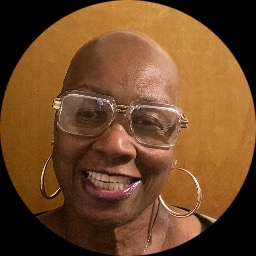
About Brenda
Brenda Haney is an LCSW with 27 years of clinical experience. She is licensed in Arizona and Oregon and practices in Ohio. She works with people dealing with depression, anger, addictions, self-esteem concerns, relationship problems, trauma and abuse.
Brenda talks with people about what feels most difficult right now. She uses clear, practical strategies and straightforward conversation. Sessions focus on steps you can try between meetings to manage mood swings, low periods, and irritability.
Her work draws on several approaches including cognitive behavioral techniques to spot unhelpful thinking and acceptance-based methods to reduce getting stuck on painful feelings. She also uses skills from dialectical behavior therapy to manage strong emotions and motivational interviewing when change feels daunting.
Brenda aims to help people notice what matters to them and take small, doable steps toward those values. She gives direct feedback and helps set achievable short-term goals. Progress is tracked in concrete ways so people can see what changes are working.
Her background includes nearly three decades of practice across multiple states and many settings. That experience shapes a practical, results-oriented style meant to help people regain steadier mood and better day-to-day coping. To start, clients complete a short questionnaire and schedule an initial session to talk about goals and options.
How Brenda’s approaches translate to online work
Acceptance and Commitment Therapy (ACT) encourages noticing thoughts and feelings without getting trapped by them, then choosing actions that fit personal values. This can help with persistent low mood and motivation by shifting attention to small, meaningful steps. Cognitive Behavioral Therapy (CBT) focuses on identifying unhelpful thinking patterns and testing them with practical experiments; it is useful for low mood, irritability, and worry. Dialectical Behavior Therapy (DBT) offers concrete emotion regulation and distress-tolerance skills for intense moods and anger.Choosing the right approach is collaborative. Brenda will work with each person to decide which techniques match their goals and current challenges. That choice can change over time as needs and responses to treatment become clearer.
Confirm the specific session formats before booking since the profile does not list them. Online sessions can make it easier to fit meetings into workdays, reduce travel time, and let people use shorter check-ins when needed. Some approaches lend themselves to homework and worksheets that are easy to use between sessions, which helps make progress feel practical and measurable.
Areas of expertise
Primary focus
Also works with
Additional focus areas
Therapeutic approaches
Experience
27+ years
Credentials
Ohio, Oregon, Arizona
Languages
English
Frequently asked questions
What kinds of concerns does she work with?
She works with depression, anger, addictions, relationship problems, trauma and self-esteem issues.
What is her therapeutic approach like?
She combines cognitive behavioral techniques, acceptance-based methods, DBT skills, and motivational interviewing in a practical way focused on daily coping.
How much clinical experience does she have?
She has 27 years of professional experience across multiple practice settings.
What credentials and region are listed?
She is an LCSW and is licensed in Arizona and Oregon, practicing in Ohio.
Does she provide sessions in other languages?
Sessions are offered in English.
Which session formats are available?
Confirm current session options before booking since formats are not specified in the profile.
How is cost handled?
Cost varies with location and sessions use a subscription that can be canceled at any time.
How do I begin a first session?
Select the See online therapy options button, complete a short matching questionnaire, and schedule an initial session.
Before you reach out
- Check that the state license on record covers the state you live in.
- You do not need a diagnosis or the right words. Saying "my mood has been up and down" or "I have felt low for weeks" is a fine place to start.
- Counselors offer talking support. Questions about medication belong with a doctor or psychiatrist, and the two can go side by side.
- A profile shows the topics a counselor lists; it is not a diagnosis or a promise of any result.
If you feel unsafe right now, call or text 988, or call 911.