- Cognitive Behavioral Therapy
- Dialectical Behavior Therapy
- Attachment work
About Bryanne
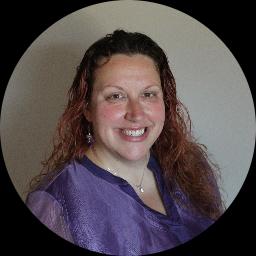
Bryanne Fountain is a Licensed Master Social Worker (LMSW) and a Licensed Clinical Social Worker (LCSW) practicing in Michigan with 10 years of experience. She works with people dealing with stress, anxiety, depression, grief, trauma and related concerns. Bryanne uses practical skills teaching, problem solving, and conversations that focus on daily coping and relationships.
Bryanne emphasizes straightforward, skill-based work in sessions. She draws on cognitive behavioral techniques to help people notice and change unhelpful thoughts and patterns. Dialectical behavior therapy techniques are used when emotion regulation and distress tolerance skills are needed.
Attachment-based ideas guide interventions around relationships and intimacy issues. The Gottman Method informs work on communication and relationship patterns when that is relevant. Bryanne also uses client-centered listening to keep sessions focused on each person’s goals.
Her background includes community mental health and outpatient practice. She has experience with a wide range of concerns including parenting stress, addictions, bipolar-related challenges, ADHD, eating and food-related issues, and caregiver stress. She also supports people dealing with aging and geriatric questions, chronic illness and disability, and relationship breakdowns.
Sessions are held in English and international clients are not accepted. Costs vary with location and services use a subscription that can be canceled at any time. To begin, select the See online therapy options button, complete a short matching questionnaire, and schedule a first session.
How her approaches work for online sessions
Bryanne uses cognitive behavioral therapy to help people identify unhelpful thought patterns and develop new ways of thinking and acting. CBT can be useful for low mood, anxiety and stress by breaking problems into manageable steps and practicing new skills.She also incorporates dialectical behavior therapy techniques to teach emotion regulation, distress tolerance, and interpersonal effectiveness. DBT skills can help when emotions feel overwhelming or when relationships create repeated conflict.
Attachment-based ideas guide conversations about relationship patterns, intimacy, and communication. These approaches are used collaboratively so the therapist and client decide together which techniques fit best for the client’s goals and situation.
Confirm the current session formats before booking, as formats are not listed here. Online work can make it easier to fit sessions into a busy life, take a shorter check-in on a break, or avoid travel time. Licensed professionals offer online care to help maintain continuity of work on mood, relationships and daily coping while accommodating everyday schedules.
Areas of expertise
Primary focus
Also works with
Additional focus areas
Therapeutic approaches
Experience
10+ years
Credentials
Wisconsin, Michigan
Languages
English
Frequently asked questions
What concerns does she help with?
She works with stress, anxiety, depression, grief, trauma and related issues such as parenting strain, addictions, bipolar challenges, and ADHD.
What is her therapeutic style?
Her approach is practical and skills-focused, combining client-centered listening with CBT and DBT techniques to teach coping and problem solving.
How much experience does she have?
She has 10 years of clinical experience working in community mental health and outpatient settings.
What are her credentials and where is she based?
She holds LMSW and LCSW credentials and practices in Michigan.
Which languages are supported?
Sessions are offered in English.
Does she work with international clients?
International clients are not currently accepted.
How does payment and cost work?
Cost varies with location and services use a subscription model that can be canceled at any time.
What are the first steps to start?
Select the See online therapy options button, complete a short matching questionnaire, and schedule a first session.
Before you reach out
- Check that the state license on record covers the state you live in.
- You do not need a diagnosis or the right words. Saying "my mood has been up and down" or "I have felt low for weeks" is a fine place to start.
- Counselors offer talking support. Questions about medication belong with a doctor or psychiatrist, and the two can go side by side.
- A profile shows the topics a counselor lists; it is not a diagnosis or a promise of any result.
If you feel unsafe right now, call or text 988, or call 911.