- Psychodynamic Therapy
- Depression and anxiety
- Grief and caregiving
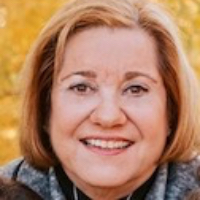
About Cara
LCSW Cara Greene has 30 years of clinical experience and practices in Nevada. She works with adults facing stress, anxiety, depression, mood swings, relationship problems, grief, parenting strain, and issues related to aging and caregiving. She also supports people navigating bipolar concerns, career pressure, LGBT questions, and family conflict.
Cara trained in psychology and social work and has additional postgraduate study in psychoanalysis. She spent much of her career in independent practice, community mental health centers, and agency settings. She once led social work programs and supervised clinicians and trainees, and she taught clinical training and supervision in graduate programs.
Her sessions use psychodynamic ideas to look at patterns that affect current feelings and relationships. Conversations often focus on understanding recurring emotional themes and how early relationships can shape present reactions. This approach can be helpful for low mood, repeated relationship struggles, and feelings of emptiness.
She adapts how she works to each person’s pace and needs. Some clients use video to get a fuller sense of communication, while others prefer phone or text-based contact for brief check-ins. Messaging is typically responded to within about 24 hours.
Fees vary with location and sessions use a subscription that can be canceled at any time. To begin, a person completes a short matching questionnaire and schedules an initial session through the platform’s scheduling tools.
Psychodynamic approaches and online sessions
Psychodynamic Therapy looks at recurring feelings and relationship patterns. It helps people understand why certain situations trigger strong emotions and how past relationships influence current reactions. This can be useful for long low periods, mood swings, repeated relationship conflict, and ongoing feelings of emptiness.Finding the right way to work together is part of the process. The therapist will collaborate with each person to decide which approaches fit their needs, goals, and preferences. That may mean focusing on present-day coping, looking at patterns from earlier life, or combining elements to match how someone responds.
Confirm the available session options before booking, as specific formats are set through the platform. Many people choose video to pick up on facial expression and tone, while others use phone or text for shorter check-ins or when a quieter setup is easier. Online sessions can make it simpler to fit therapy into work or caregiving schedules and reduce travel time, so appointments can be scheduled around everyday commitments.
Areas of expertise
Primary focus
Also works with
Additional focus areas
Therapeutic approaches
Experience
30+ years
Credentials
Nevada, New York
Languages
English
Frequently asked questions
What concerns does she address?
Cara works with stress, anxiety, depression, mood swings, relationship problems, grief, parenting strain, and related issues including bipolar and caregiver stress.
What is her therapeutic style?
She uses psychodynamic therapy to identify recurring emotional patterns and how past relationships influence present feelings and behavior.
How much clinical experience does she have?
She has 30 years of practice experience across independent practice, community mental health, agency roles, program leadership, and graduate teaching.
What are her credentials and where is she based?
She is an LCSW licensed in New York (NY LCSW) and Nevada, and she practices from Nevada.
Which languages are supported for sessions?
Sessions are offered in English.
Can international clients work with her?
International clients are not currently accepted.
How do sessions and cost work?
Fees vary with location and sessions use a subscription model that can be canceled at any time.
How do I begin working with her?
Start by selecting the See online therapy options button, completing a short matching questionnaire, and scheduling a first session.
Before you reach out
- Check that the state license on record covers the state you live in.
- You do not need a diagnosis or the right words. Saying "my mood has been up and down" or "I have felt low for weeks" is a fine place to start.
- Counselors offer talking support. Questions about medication belong with a doctor or psychiatrist, and the two can go side by side.
- A profile shows the topics a counselor lists; it is not a diagnosis or a promise of any result.
If you feel unsafe right now, call or text 988, or call 911.