- Stress and anxiety
- Depression and bipolar
- Grief and loss
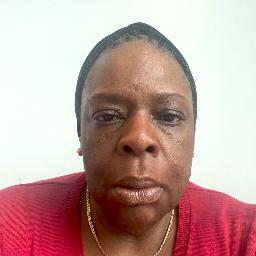
About Carolin
LCSW-R Carolin Blakely has 25 years of professional experience and is licensed in New York. She works with people facing stress, anxiety, grief and loss, bipolar disorder, depression, and other mood concerns. She also helps those coping with life changes.
Carolin sees each person as the expert on their own story. She looks for strengths clients already have and builds on them in short, practical steps. Sessions focus on clear goals and on developing skills that can be used between meetings.
Her approach is direct and down-to-earth. Conversations include problem-solving, learning ways to manage strong emotions, and planning small behavioral changes. She explains ideas plainly and checks in to make sure they fit the person's daily life.
Carolin draws on evidence-based therapeutic techniques to address mood difficulties and related stressors. She pays attention to how grief, loss, life transitions, and long-term mood shifts affect everyday routines and relationships. Discussions may cover coping strategies, pacing, and ways to reduce overwhelm.
Over years of practice she has worked with people from many backgrounds and with diverse concerns, including adoption and foster care, aging and caregiver stress, first responder issues, gender dysphoria, HIV/AIDS, hoarding, and multicultural matters. Her work aims to give practical tools and clear steps that people can try between sessions.
Therapeutic approaches and online sessions
Carolin uses evidence-based therapeutic techniques. One common approach she uses focuses on learning concrete skills to manage strong emotions and prevent mood swings. This approach teaches practical tools such as paced breathing, activity planning, and stepwise behavioral changes to reduce overwhelm and stabilize mood.Another frequent element is structured problem-solving. This method breaks larger problems into manageable steps, helps identify immediate priorities, and creates simple action plans that a person can try between sessions. It is especially useful for coping with life transitions, caregiver stress, and situations that cause persistent worry.
Finding the right mix of techniques is part of the work. Carolin works collaboratively to identify which methods fit a person's needs, goals, and day-to-day routine. She checks in regularly and adjusts the approach based on what is helpful in practice.
The biography does not list specific session formats, so confirm current online options before booking. Many people find online sessions easier to fit into work, caregiving, or travel schedules. Other practical benefits include shorter check-ins when needed, fewer travel demands, and the ability to continue therapy across locations. Licensed professionals can help tailor session length and focus so therapy fits into everyday life.
Areas of expertise
Primary focus
Additional focus areas
Experience
25+ years
Credentials
New York
Languages
English
Frequently asked questions
What kinds of problems does she help with?
She works with stress, anxiety, grief and loss, bipolar disorder, depression, and coping with life changes.
What is her general therapy style?
She uses plain, practical conversations that focus on skills and small changes. The work centers on goals and steps a person can use between sessions.
How much clinical experience does she have?
She has 25 years of professional work experience and has practiced across a range of mood and life-change concerns.
What are her credentials and where is she based?
She holds an LCSW-R and is licensed in New York.
Does she offer sessions in other languages or to international clients?
Sessions are offered in English and she accepts international clients.
Which session formats are used?
The original biography does not list specific session formats. Confirm current session options before booking.
How are costs handled?
Cost varies with location and sessions use a subscription that can be canceled at any time.
How do I begin working with her?
Click the See online therapy options button, complete the short matching questionnaire, and then schedule a first session.
Before you reach out
- Check that the state license on record covers the state you live in.
- You do not need a diagnosis or the right words. Saying "my mood has been up and down" or "I have felt low for weeks" is a fine place to start.
- Counselors offer talking support. Questions about medication belong with a doctor or psychiatrist, and the two can go side by side.
- A profile shows the topics a counselor lists; it is not a diagnosis or a promise of any result.
If you feel unsafe right now, call or text 988, or call 911.