- CBT strategies
- DBT skills
- Mindfulness practices
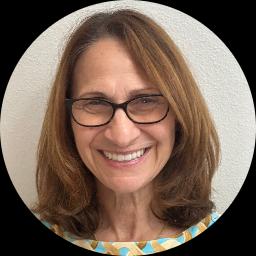
About Carolyn
Carolyn Croce-Mirque is a Licensed Clinical Social Worker (LCSW) practicing in California with 28 years of experience. She helps people manage stress, anxiety, trauma and abuse, parenting concerns, low self-esteem, and life changes. She also supports those dealing with mood swings, panic, post-traumatic stress, and social anxiety.
Her approach is collaborative and trauma-informed. Sessions focus on building on what a person already does well and setting clear, manageable goals. Carolyn uses practical tools that people can try between appointments.
She draws on cognitive behavioral ideas to identify unhelpful thoughts and test new behaviors. Dialectical behavior approaches are used to teach emotion regulation and distress tolerance skills. Applied behavior analysis concepts help break down patterns into small, doable steps.
Carolyn also incorporates mindfulness, breath work, and body-oriented awareness to help people calm intense reactions and notice physical signals. Grounding exercises and guided visualization are options when someone needs short tools to steady mood.
Her education includes a Master of Social Work and a Bachelor of Science in psychology. She holds LCSW licensure in North Carolina and California. Outside of clinical work she spends time with family, swims, and walks her dogs. This combination of long experience and practical techniques aims to help people manage low periods and frequent mood changes in day-to-day life.
How evidence-based approaches translate to online work
Carolyn uses a mix of cognitive behavioral strategies and dialectical behavior techniques in her sessions. Cognitive behavioral methods help people notice and test unhelpful thoughts and try small behavior changes. Dialectical behavior techniques teach concrete emotion regulation, distress tolerance, and communication skills that can be practiced between appointments.She also brings mindfulness, breath work, and somatic awareness into sessions to help with intense mood shifts and panic symptoms. These body-focused practices are offered as short exercises clients can use when feeling overwhelmed or disconnected from their emotions. Choosing the right mix of approaches is a collaborative process. Carolyn will work with each person to identify goals, try different techniques, and adjust the plan based on what helps most.
Session formats are not specified in the biography, so confirm current options before booking. Online work can make it easier to fit therapy into a busy week, allow shorter check-ins when needed, and let people practice skills in their regular environments. Licensed professionals can use these formats to support steady progress without requiring travel or long time blocks.
Areas of expertise
Primary focus
Additional focus areas
Experience
28+ years
Credentials
California, North Carolina
Languages
English
Frequently asked questions
What concerns does she work with?
She works with stress, anxiety, trauma and abuse, parenting issues, self-esteem, coping with life changes, and mood disorders among other related concerns.
What is her therapeutic style?
Her style is collaborative and trauma-informed, focusing on practical skills and goal-setting. She mixes cognitive and behavioral techniques with mindfulness and body-awareness work.
How much clinical experience does she have?
She has 28 years of clinical experience working with a range of mood and stress-related concerns.
What credentials and location apply?
She is an LCSW licensed in North Carolina (NC LCSW) and California (CA LCSW) and practices from California.
Which languages are supported?
Sessions are offered in English.
Does she work with international clients?
She does not currently accept international clients.
How does pricing work?
Cost varies with location and sessions use a subscription model that can be canceled at any time.
How do I begin a first session?
Choose the See online therapy options button, complete a short matching questionnaire, and schedule a first session.
Before you reach out
- Check that the state license on record covers the state you live in.
- You do not need a diagnosis or the right words. Saying "my mood has been up and down" or "I have felt low for weeks" is a fine place to start.
- Counselors offer talking support. Questions about medication belong with a doctor or psychiatrist, and the two can go side by side.
- A profile shows the topics a counselor lists; it is not a diagnosis or a promise of any result.
If you feel unsafe right now, call or text 988, or call 911.