- Stress management
- Mood disorders
- Self esteem work
About Carrie
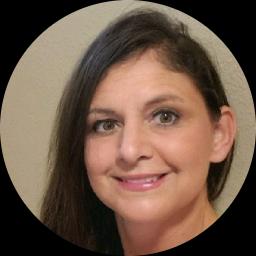
Carrie Frey-Davis is a Licensed Clinical Social Worker (LCSW) with 10 years of professional experience. She works with people who struggle with stress, anxiety, low self-esteem, bipolar disorder, depression, and coping with life changes. Sessions are offered in English and she practices from Florida.
Carrie focuses on practical steps people can use each day. She encourages clients to name what is hardest right now and to build on existing strengths. Conversations are direct and aimed at helping someone manage mood swings, low energy, or overwhelming anxiety in usable ways.
Her work often includes examining routines, checking how thoughts and behavior affect mood, and trying small changes to see what helps. She pays attention to life circumstances that make stress worse, including caregiving demands, chronic illness, money worries, and major life transitions. This keeps the work grounded in the problems people actually face.
Carrie prefers straightforward planning over long theory talks. She helps clients set short-term goals and practical experiments they can try between sessions. Over time those small changes are used to evaluate what is and is not helping.
People who come for help with mood disorders or with the ebb and flow of energy and motivation will find a clinician who highlights skills and steps they can use right away. To begin, clients follow the site process to complete a short matching questionnaire and schedule a first session.
How evidence-based techniques are used in online sessions
Two commonly used evidence-based techniques are helpful for mood and anxiety concerns. Cognitive approaches look at how thoughts influence feelings and behavior; they teach practical ways to notice unhelpful thinking and try alternative thoughts to see if mood improves. Behavioral techniques focus on changing routines and actions - for example adding small activities, improving sleep patterns, or breaking tasks into manageable steps to lift low mood and increase energy.Finding the right mix of techniques is part of the process. The therapist works collaboratively with each client to decide which methods fit their goals, needs, and preferences. That collaborative planning includes setting short-term targets and adjusting the approach based on what works in day-to-day life.
Confirm the available session formats before booking since the biography does not list specific formats. Online sessions can make it easier to fit therapy into a busy schedule, allow shorter check-ins when needed, and remove travel time. These practical advantages help people maintain regular appointments and apply skills between meetings without promising a particular outcome.
Areas of expertise
Primary focus
Additional focus areas
Experience
10+ years
Credentials
Florida, Nevada, Arizona, California, Oregon, Washington
Languages
English
Frequently asked questions
What kinds of concerns does she address?
Carrie works with stress, anxiety, self-esteem challenges, bipolar disorder, depression, and coping with life changes. She also focuses on issues like caregiver stress, chronic illness, money worries, and isolation.
What is her therapeutic style?
She uses practical, evidence-based techniques and focuses on short-term goals and skills people can use between sessions. The work emphasizes concrete changes rather than long theoretical discussion.
How much experience does she have?
She has 10 years of professional experience working with mood and anxiety related concerns.
What are her credentials and where does she practice?
She is a Licensed Clinical Social Worker (LCSW) and practices in Florida under the CA LCSW and AZ LCSW credentials noted in her profile.
Does she offer therapy in other languages?
Sessions are offered in English.
Can people outside the US work with her?
She is not accepting international clients at this time.
How are sessions arranged and what do they cost?
Cost varies with location and sessions use a subscription that can be canceled at any time. Exact fees are provided during the booking process.
What do I need to do to start?
Click the See online therapy options button, complete a short matching questionnaire, and schedule a first session to begin the process.
Before you reach out
- Check that the state license on record covers the state you live in.
- You do not need a diagnosis or the right words. Saying "my mood has been up and down" or "I have felt low for weeks" is a fine place to start.
- Counselors offer talking support. Questions about medication belong with a doctor or psychiatrist, and the two can go side by side.
- A profile shows the topics a counselor lists; it is not a diagnosis or a promise of any result.
If you feel unsafe right now, call or text 988, or call 911.