- Client-Centered Therapy
- Cognitive Behavioral Therapy
- Dialectical Behavior Therapy
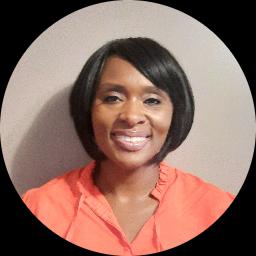
About Catherine
Catherine Brenen is a Licensed Master Social Worker (LMSW) practicing in Michigan with 16 years of experience. She works with people facing anxiety, depression, addiction, relationship strain, grief, trauma, and the stresses that come with aging. Catherine uses straightforward talk and practical steps to help people manage mood shifts and difficult life changes.
She focuses on clear communication and a nonjudgmental approach. Sessions emphasize respect and positive regard, and she brings a calm presence rather than fear-based tactics. Catherine combines conversation with skills work so clients can try different ways to cope between meetings.
Her background spans clinical social work in community and healthcare settings. That experience shaped her to pay attention to daily routines, caregiving demands, and the practical barriers people face when mood is low. She draws on several treatment styles to match what each person needs in the moment.
In sessions she blends client-centered listening with cognitive-behavioral tools and dialectical behavior therapy skills. Motivational interviewing is used when people are weighing changes related to substance use or habits. Mindfulness techniques are offered to help with emotion regulation and grounding during times of high stress.
Catherine aims to work collaboratively on realistic goals. She checks in about what is and isn’t working and adjusts the focus over time. People who want direct, respectful guidance around mood, addiction, relationship issues, or caregiving stress may find this approach useful.
How her approaches translate to online work
Client-centered therapy focuses on listening and reflecting what a person says. It helps people feel heard and guides the therapist to follow the client's priorities rather than imposing a set plan. Cognitive Behavioral Therapy, or CBT, uses simple exercises to notice thoughts and try different behaviors. It can be helpful for depression, anxiety, and mood swings by targeting unhelpful thinking patterns. Dialectical Behavior Therapy, or DBT, teaches specific skills for managing intense emotions, handling conflict, and tolerating distress. Those skills support people dealing with strong mood changes or recurring crises.Finding the right approach is often part of the work. Catherine will talk with clients about their goals and preferences and then recommend which methods to try first. The plan is adjusted as progress is made and as people report what helps most.
Please confirm the current session formats before booking because they are not specified here. Online sessions can make it easier to fit meetings into a busy week, shorten travel time, and allow for brief check-ins when schedules are tight. The therapist will work with each person to find a rhythm and format that fits their daily life.
Areas of expertise
Primary focus
Also works with
Additional focus areas
Therapeutic approaches
Experience
16+ years
Credentials
Michigan
Languages
English
Frequently asked questions
What concerns does she focus on?
She works with stress, anxiety, depression, addiction, relationship and family issues, grief, trauma, and challenges related to aging and life transitions.
What is her therapeutic style like?
Her style centers on respectful, nonjudgmental listening and practical skill-building using client-centered conversation alongside structured techniques.
How much experience does she have?
Catherine has 16 years of experience as a mental health provider working in clinical social work roles.
What are her credentials and where is she based?
She holds the LMSW credential and practices in Michigan.
Does she offer sessions in other languages or to international clients?
Sessions are offered in English and she is not accepting international clients.
What formats are used for sessions?
Please confirm current session options before booking since session formats are not specified here.
How are costs handled?
Cost varies with location and sessions use a subscription that can be canceled at any time.
How do I begin a first session?
Click the See online therapy options button, complete a short matching questionnaire, and schedule a first session.
Before you reach out
- Check that the state license on record covers the state you live in.
- You do not need a diagnosis or the right words. Saying "my mood has been up and down" or "I have felt low for weeks" is a fine place to start.
- Counselors offer talking support. Questions about medication belong with a doctor or psychiatrist, and the two can go side by side.
- A profile shows the topics a counselor lists; it is not a diagnosis or a promise of any result.
If you feel unsafe right now, call or text 988, or call 911.