- Depression
- Anxiety
- Attachment work
About Celena
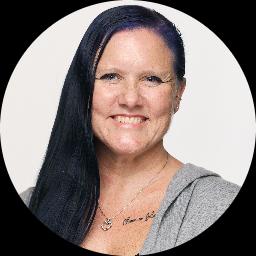
Dr. Celena Heine is a Florida Licensed Mental Health Counselor (FL LMHC) with seven years of clinical experience. She works with adults dealing with stress, anxiety, trauma and abuse, depression, and professional coaching concerns. She speaks English and practices from Florida.
Dr. Heine offers practical, talk-based therapy that focuses on current problems and everyday coping. She uses clear, structured methods to help people manage mood swings, persistent low mood, irritability, and stress that gets in the way of daily life. Sessions aim to identify patterns, develop skills, and test small changes between meetings.
Her work draws on attachment-based ideas to look at how past relationships shape current feelings and reactions. She also uses client-centered methods that emphasize the person's own goals and pacing. Cognitive Behavioral Therapy (CBT) and Dialectical Behavior Therapy (DBT) techniques are used to teach coping skills, emotion regulation, and practical problem solving.
Dr. Heine pays attention to related issues such as addiction, sleep problems, grief, intimacy struggles, parenting strain, and low self-esteem. She also addresses attachment wounds, abandonment concerns, codependency, and family-of-origin patterns when they affect mood and functioning.
People who choose her often want focused work on mood and functioning, with clear techniques to try between sessions. To begin, prospective clients complete an intake match and schedule a first appointment through the site's booking steps.
How her approaches are used in remote sessions
Dr. Heine frequently draws on Attachment-Based Therapy to examine how early relationships influence current mood and relationship patterns; this helps when abandonment, codependency, or attachment wounds affect daily emotions. She also uses Cognitive Behavioral Therapy (CBT) to identify unhelpful thoughts and test small behavior changes that can reduce low mood and anxiety symptoms. Dialectical Behavior Therapy (DBT) skills may be introduced to teach emotion regulation, distress tolerance, and better interpersonal effectiveness.Deciding which approach fits best is collaborative. The therapist will review your goals, current struggles, and what you find helpful, then suggest techniques to try. That plan can shift over time as progress is reviewed and new issues arise.
Session formats are not specified in the biography, so confirm current options before booking. Many people find remote sessions help fit care into work days, reduce travel time, or allow a shorter check-in when schedules are tight. Others prefer longer meetings for deeper work. The focus online remains on learning skills, testing small changes between sessions, and applying strategies to everyday life rather than on lengthy theory explanations.
Areas of expertise
Primary focus
Also works with
Additional focus areas
Therapeutic approaches
Experience
7+ years
Credentials
Florida
Languages
English
Frequently asked questions
What concerns does she address?
She helps people with stress, anxiety, trauma and abuse, depression, and related issues like addiction, sleep problems, grief, intimacy difficulties, and parenting strain.
What is her therapy style?
Her approach is practical and conversation-based, using structured techniques to teach coping and emotion regulation skills while following each person's goals.
How much clinical experience does she have?
She has seven years of professional experience working with adults on mood and related concerns.
What credentials and location apply?
She is a Florida Licensed Mental Health Counselor (FL LMHC) and practices from Florida.
Which languages are sessions offered in?
Sessions are offered in English.
Can international clients work with her?
International clients are not accepted at this time.
How are sessions scheduled and what do they cost?
Cost varies with location and sessions use a subscription that can be canceled at any time; specific pricing is provided during booking.
How do I begin a first session?
Start by selecting the See online therapy options button, completing a short matching questionnaire, and scheduling a first session.
Before you reach out
- Check that the state license on record covers the state you live in.
- You do not need a diagnosis or the right words. Saying "my mood has been up and down" or "I have felt low for weeks" is a fine place to start.
- Counselors offer talking support. Questions about medication belong with a doctor or psychiatrist, and the two can go side by side.
- A profile shows the topics a counselor lists; it is not a diagnosis or a promise of any result.
If you feel unsafe right now, call or text 988, or call 911.