- Stress and anxiety
- Mood disorders
- Veteran issues
About Chrasanthum
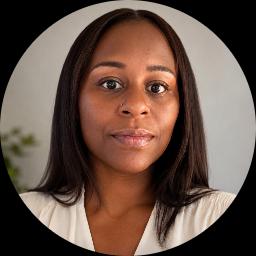
Chrasanthum "Chrissy" Nieves is a Licensed Clinical Social Worker (LCSW) in Virginia with three years of experience in mental health and addictions counseling. She lists stress, anxiety, trauma and abuse, bipolar, depression, and coping with life changes among the concerns she helps people with. Chrissy also notes additional focus areas such as mood disorders, post-traumatic stress, veterans and armed forces issues, and workplace and women's issues.
Chrissy uses evidence-based therapeutic techniques and frames healing as a gradual process. Sessions aim to address practical problems and emotional patterns that make day-to-day life harder. She talks through coping strategies and patterns that can reduce overwhelm and irritability.
Her background includes a Master of Social Work from Virginia Commonwealth University and a Master of Arts in Psychology from the University of Richmond. That clinical training underpins her work with people navigating mood-related concerns and life transitions. She brings three years of hands-on counseling experience to each case.
In sessions she works collaboratively to identify goals and concrete steps forward. Conversations often focus on managing mood shifts, improving communication, and reducing isolation. She also addresses issues like impulsivity, forgiveness, and the effects of trauma.
People who contact Chrissy are asked to complete a short matching questionnaire and then schedule a first meeting. The practice uses a subscription model that can be canceled at any time, and cost varies by location. Confirm current session options before booking to make sure they match your needs.
How evidence-based techniques guide online sessions
Chrissy works from evidence-based therapeutic techniques that focus on practical skills and emotional regulation. One common approach she uses is skills-focused therapy that teaches specific coping strategies for anxiety and low mood, such as breathing, grounding, and activity planning. These methods aim to reduce emotional intensity and improve daily functioning.She also draws on trauma-informed practices to address the effects of past harm and chronic stress. That involves helping people recognize how trauma shows up in thoughts, reactions, and relationships, and developing ways to reduce reactivity and regain a sense of control over day-to-day life.
Finding the right approach is part of the work. The therapist will collaborate with the client to identify which techniques fit their goals and preferences. That might mean trying a skills set for a few sessions and then adjusting focus based on progress and feedback.
Confirm the current session formats before booking, since specific online options are not listed in the biography. Online work can make it easier to fit sessions into a busy week, reduce travel time, and allow for shorter check-ins when needed. It can also support ongoing work when life changes make in-person visits difficult. Licensed professionals and therapists generally adapt pacing and tools to the realities of remote sessions.
Areas of expertise
Primary focus
Additional focus areas
Experience
3+ years
Credentials
Virginia
Languages
English
Frequently asked questions
What kinds of concerns does she address?
She works with stress, anxiety, trauma and abuse, bipolar and depression, plus life changes and mood disorders.
What is her therapeutic style?
She uses evidence-based therapeutic techniques and focuses on practical steps to manage mood and reduce overwhelm.
How much clinical experience does she have?
She has three years of experience in mental health and addictions counseling.
What are her credentials and where is she located?
She is an LCSW licensed in Virginia and practices from Virginia.
Which languages are supported in sessions?
Sessions are offered in English.
Can I work with her from another country?
International clients are not currently accepted.
How much do sessions cost?
Cost varies with location and sessions use a subscription that can be canceled at any time.
How do I begin scheduling a session?
Select the See online therapy options button, complete a short matching questionnaire, and schedule a first session.
Before you reach out
- Check that the state license on record covers the state you live in.
- You do not need a diagnosis or the right words. Saying "my mood has been up and down" or "I have felt low for weeks" is a fine place to start.
- Counselors offer talking support. Questions about medication belong with a doctor or psychiatrist, and the two can go side by side.
- A profile shows the topics a counselor lists; it is not a diagnosis or a promise of any result.
If you feel unsafe right now, call or text 988, or call 911.