- Client-Centered Therapy
- Cognitive Behavioral Therapy
- Mindfulness Therapy
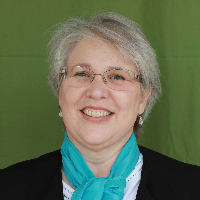
About Christine
Licensed Professional Counselor (LPC) in Pennsylvania with 35 years of experience, Christine Abrams works with people facing stress, anxiety, depression, parenting strains, relationship difficulties, trauma, and related concerns. She helps clients who feel stuck by focusing on practical steps and clear priorities. Christine speaks English and practices from a long career in community mental health, agencies, and college settings.
Her approach centers on the client and the role relationships play in everyday life. Sessions are active and collaborative. She and the client talk through current struggles, set short-term goals, and choose tools to try between meetings.
Christine blends client-centered work with cognitive behavioral techniques and mindfulness. She also brings elements of trauma-focused therapy into care when it is needed. That mix lets her move between understanding personal history and teaching specific skills for mood, anxiety, and stress management.
Practical tools are part of her practice. She may suggest books, apps, writing, or simple art activities to practice new ways of thinking and coping. These tools are picked to match what the person likes and can use in daily life.
Her background includes program management and supervising counselors on their path to licensure. This long experience means she is used to working with many kinds of life changes, grief, addiction concerns, parenting challenges, and problems that come from family of origin or attachment wounds.
How Christine uses therapeutic approaches in online sessions
Client-centered therapy places the person and their priorities at the center of work. The therapist listens, reflects, and helps clients set goals that feel relevant to their daily life. This approach is useful when someone needs space to be heard and to name what matters most.Cognitive Behavioral Therapy (CBT) focuses on identifying unhelpful thought patterns and testing new behaviors. It includes simple exercises and homework to practice between meetings and can help with low mood, worry, and impulsivity. Mindfulness therapy teaches attention and breathing skills to reduce reactivity and improve focus during stressful moments.
Finding the right approach is part of the process. Christine works with each person to decide which methods fit their needs, goals, and preferences. This is a collaborative choice and can shift over time as progress and challenges emerge.
Confirm current session options before booking so you know how sessions are scheduled. Online sessions can make it easier to fit therapy into a busy life, reduce travel time, and allow shorter check-ins when a quick update is helpful. Talk with her about what will work best for timing and how to use suggested tools like apps or written exercises between meetings.
Areas of expertise
Primary focus
Also works with
Additional focus areas
Therapeutic approaches
Experience
35+ years
Credentials
Pennsylvania
Languages
English
Frequently asked questions
What concerns does she help with?
She supports people dealing with stress, anxiety, depression, parenting and relationship issues, trauma, grief, addiction concerns, and mood-related struggles.
What is her therapeutic style?
Her style is active and collaborative. She focuses on client-centered work while teaching practical skills from CBT and mindfulness.
How long has she been practicing?
She has 35 years of clinical experience working in community mental health centers, agencies, and colleges.
What are her credentials and where is she located?
She is a Licensed Professional Counselor (LPC) licensed in Pennsylvania.
Does she offer sessions in other languages?
Sessions are offered in English only.
Can I do sessions from another country?
International clients are not currently accepted; sessions are provided for clients within the therapist's permitted regions.
How are fees handled?
Cost varies by location. Sessions use a subscription that can be canceled at any time.
How do I begin a first session?
Select the See online therapy options button, complete a short matching questionnaire, and schedule a first session.
Before you reach out
- Check that the state license on record covers the state you live in.
- You do not need a diagnosis or the right words. Saying "my mood has been up and down" or "I have felt low for weeks" is a fine place to start.
- Counselors offer talking support. Questions about medication belong with a doctor or psychiatrist, and the two can go side by side.
- A profile shows the topics a counselor lists; it is not a diagnosis or a promise of any result.
If you feel unsafe right now, call or text 988, or call 911.