- Addictions
- Eating issues
- Mood disorders
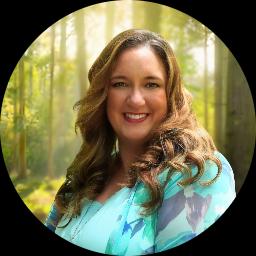
About Clarissa
Clarissa Ledsome is a Licensed Professional Counselor (LPC) in Texas with 14 years of experience working with people facing addictions, trauma, and eating-related concerns. She speaks English and focuses on helping clients who are dealing with mood disorders, body image struggles, and patterns such as codependency and control issues. Her practice emphasizes practical help for day-to-day problems rather than quick fixes.
Clarissa draws on work in residential treatment, outpatient care, and independent practice. She has supported people through recovery from drug and alcohol addiction and through the impacts of sexual assault and domestic violence. Sessions typically look at how coping habits developed and which ones are keeping someone stuck now.
Her style is collaborative and straightforward. She listens first, then helps people identify small, usable tools to change patterns. That can include setting boundaries, shifting behaviors around food and body image, or practicing new ways to respond to triggers.
She also uses approaches consistent with inclusive eating disorder support and the Health at Every Size model. That means attention to reducing shame around food and body concerns while focusing on flexible, realistic steps people can try. Clarissa encourages self-forgiveness as part of changing long-standing habits.
People considering her work should expect clear discussion of goals and repeated checking in about whether strategies are working. The counselor helps clients weigh options and choose what fits their life. To begin, visitors are asked to complete the service matching steps and schedule an initial session.
How evidence-based approaches translate to online sessions
Clarissa uses evidence-based therapeutic techniques to guide sessions in clear, practical ways. One common method she uses focuses on changing behaviors and routines that keep problems going. This approach identifies small, manageable steps a person can try to interrupt unhelpful patterns and build new habits. Another emphasis is trauma-informed care that helps people name what happened and how it affects daily life now. That work tends to include grounding strategies, pacing, and specific coping skills to reduce overwhelming reactions and improve day-to-day functioning. Choosing the right approach is part of the work together. The therapist discusses options with each person, considers their goals and comfort, and adjusts methods as progress is made. This is a collaborative process where feedback guides what comes next. Online work can make fitting sessions into life easier, such as scheduling around work or caregiving, reducing travel time, and offering a way to check in from different locations. If you want to know which session formats are offered, confirm current options before booking so you can pick what fits your routine.Areas of expertise
Primary focus
Additional focus areas
Experience
14+ years
Credentials
Texas
Languages
English
Frequently asked questions
What concerns does she focus on?
She works with addictions, trauma and abuse, and eating-related issues, and also addresses body image, codependency, and mood disorders.
What is her general approach in sessions?
Her approach is collaborative and practical, listening first and then helping clients develop tools for changing unhelpful patterns.
How much experience does she have?
She has 14 years of clinical experience working in residential treatment, outpatient care, and independent practice.
What are her credentials and where is she based?
She is a Licensed Professional Counselor (LPC) licensed in Texas.
Which languages are supported?
Sessions are offered in English.
Does she work with international clients?
International clients are not currently accepted.
How does pricing work?
Cost varies by location; sessions use a subscription that can be canceled at any time.
How do I start a first session?
Select the See online therapy options button, complete a short matching questionnaire, and schedule a first session.
Before you reach out
- Check that the state license on record covers the state you live in.
- You do not need a diagnosis or the right words. Saying "my mood has been up and down" or "I have felt low for weeks" is a fine place to start.
- Counselors offer talking support. Questions about medication belong with a doctor or psychiatrist, and the two can go side by side.
- A profile shows the topics a counselor lists; it is not a diagnosis or a promise of any result.
If you feel unsafe right now, call or text 988, or call 911.