- Mood disorders
- Addictions
- CBT and mindfulness
About Cynthia
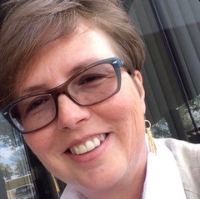
Cynthia Herndon is a Licensed Master Social Worker (LMSW) in Michigan with 20 years of clinical experience. She works with people dealing with mood-related concerns such as depression, anxiety, bipolar patterns, and the fallout of trauma and addiction. Cynthia’s practice focuses on practical support for everyday problems like sleep and eating difficulties, relationship strain, and coping with life changes.
She has worked across hospitals, outpatient clinics, homeless outreach, and rural areas. That background includes experience with veterans, caregivers, elder and hospice care, and LGBTQ people. Cynthia has long treated mood disorders and addictions and is familiar with post-traumatic stress and traumatic brain injury.
Cynthia uses straightforward talk therapy combined with practical techniques. She draws on Client-Centered Therapy to build a respectful working relationship and uses Cognitive Behavioral Therapy to identify patterns that keep problems going. Mindfulness and Motivational Interviewing strategies are part of her work when they fit the goals of therapy.
Her approach is interactive. She encourages participation and helps people set clear, realistic steps to address symptoms and daily challenges. She also supports practical planning around guardianship, advance directives, and durable power of attorney when those issues arise.
Sessions are collaborative and goal-focused. Cynthia helps people notice small changes that make day-to-day life easier and supports the planning needed to manage mood swings, grief, substance use concerns, or the stresses that come with caregiving and aging.
Therapeutic approaches used for online care
Cynthia integrates Client-Centered Therapy, Cognitive Behavioral Therapy (CBT), and Mindfulness practices into her work. Client-Centered Therapy emphasizes listening and collaboration so the person feels understood and can guide goals. CBT focuses on identifying thoughts and behaviors that contribute to low mood and teaches practical steps to change them. Mindfulness Therapy offers simple attention practices to reduce reactivity and improve day-to-day coping.Choosing the best approach is a collaborative process. She will review your concerns, preferences, and goals and suggest which methods to try first. That plan can change as sessions progress to match what helps most and what feels manageable for the client.
The practical benefits of meeting online include easier fitting of sessions into a busy life and options for shorter check-ins when needed. The biography does not list specific online formats, so confirm current session options before booking. Many people find online sessions help maintain continuity of care while balancing work, caregiving, and travel demands.
Areas of expertise
Primary focus
Also works with
Additional focus areas
Therapeutic approaches
Experience
20+ years
Credentials
Michigan
Languages
English
Frequently asked questions
What concerns does she address?
She works with mood-related concerns like depression, anxiety, bipolar patterns, grief, trauma, and substance use issues.
What methods does she use in sessions?
Clients can expect Client-Centered Therapy alongside Cognitive Behavioral Therapy, mindfulness techniques, Motivational Interviewing, and solution-focused methods when appropriate.
How much clinical experience does she have?
She has 20 years of experience working in hospitals, outpatient clinics, homeless outreach, and rural settings.
What are her credentials and location?
She is an LMSW (Licensed Master Social Worker) based in Michigan.
Can I work with her if I live outside the US?
Sessions are offered in English and she accepts international clients.
Which session formats are offered?
Please confirm the current session formats before booking as the biography does not list specific formats.
How are sessions billed?
Cost varies with location and sessions use a subscription that can be canceled at any time.
How do I begin working with her?
Use the See online therapy options button, complete a short matching questionnaire, and schedule a first session.
Before you reach out
- Check that the state license on record covers the state you live in.
- You do not need a diagnosis or the right words. Saying "my mood has been up and down" or "I have felt low for weeks" is a fine place to start.
- Counselors offer talking support. Questions about medication belong with a doctor or psychiatrist, and the two can go side by side.
- A profile shows the topics a counselor lists; it is not a diagnosis or a promise of any result.
If you feel unsafe right now, call or text 988, or call 911.