- Mood disorders
- Cognitive behavioral therapy
- Client‑centered methods
About Cynthia
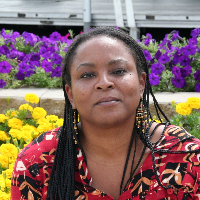
Cynthia Jenkins is a Licensed Mental Health Practitioner (LMHP) in Nebraska with 34 years of clinical experience. She works with people facing depression, mood swings, anxiety, relationship concerns, grief, trauma, and other mood disorders. Cynthia also supports those dealing with addiction, sleep problems, anger, self‑esteem, and major life changes.
She has provided counseling in community centers, university settings, and services for low‑income populations. She has taught psychology at universities in Nebraska, Texas, and Missouri, and spent over a decade training post‑graduate students on material relevant to their board exams in medicine and dentistry. Cynthia holds a Ph.D. in Social Psychology, which informs her interest in social and cultural conflict.
Her work draws on a mix of clinical approaches, including client‑centered methods, cognitive behavioral techniques, and dialectical behavior strategies. She also incorporates existential and Jungian perspectives when appropriate. Sessions focus on practical steps, coping skills, and reflective conversation to help clarify next actions.
Cynthia describes an eclectic outlook shaped by a diverse family background and years of travel. That life experience contributes to attention to multicultural concerns, communication problems, and issues around identity and belonging. She also brings experience with hospice and end‑of‑life counseling, cancer‑related concerns, and blended family issues.
Outside of clinical work she has been a licensed massage therapist and enjoys artistic expression and the outdoors. Her interests in nature and creativity sometimes influence how she frames coping strategies and self‑care ideas.
Therapeutic approaches and using online sessions
Cognitive Behavioral Therapy (CBT) helps identify unhelpful thoughts and test different ways of thinking and behaving. It is often used for depression, anxiety, sleep problems, and low mood by focusing on practical changes and short‑term strategies.Dialectical Behavior Therapy (DBT) teaches emotion regulation, distress tolerance, and interpersonal skills. It can be useful when mood swings, strong anger, or relationship stress make everyday life harder.
Client‑Centered Therapy emphasizes listening and collaboration. The therapist supports the person in describing their experience and in setting goals that feel relevant to them.
Choosing the right approach is part of the work. Cynthia will discuss goals, preferences, and what has or has not helped in the past. Together they determine which methods to try and adjust the plan as needed.
The biography does not specify which online formats are offered, so confirm current session options before booking. Online work can make fitting sessions into a busy life easier, reduce travel time, and allow shorter check‑ins when needed. It also makes it possible to keep continuity when schedules or locations change, while the therapist and client focus on practical skills and coping strategies that transfer into daily life.
Areas of expertise
Primary focus
Also works with
Additional focus areas
Therapeutic approaches
Experience
34+ years
Credentials
Nebraska
Languages
English
Frequently asked questions
What kinds of concerns does she help with?
Cynthia works with stress, depression, anxiety, mood disorders, trauma, grief, addictions, relationship and intimacy issues, sleep problems, anger, and life changes.
What is her therapeutic style?
She uses an eclectic approach grounded in client‑centered work, CBT, and DBT, with occasional existential and Jungian perspectives to support reflection and practical skill building.
How much experience does she have?
She has 34 years of counseling experience across community centers, universities, and low‑income settings.
What credential does she hold and where is she based?
She is an LMHP (Licensed Mental Health Practitioner) licensed in Nebraska and practices from that state.
Does she offer sessions in other languages or to international clients?
Sessions are offered in English and she does not accept international clients.
What session formats are available?
Please confirm current session options before booking, as the biography does not list specific formats.
How are sessions priced?
Cost varies with location and sessions use a subscription model that can be canceled at any time.
How do I begin working with her?
Select the See online therapy options button, complete a short matching questionnaire, and schedule a first session.
Before you reach out
- Check that the state license on record covers the state you live in.
- You do not need a diagnosis or the right words. Saying "my mood has been up and down" or "I have felt low for weeks" is a fine place to start.
- Counselors offer talking support. Questions about medication belong with a doctor or psychiatrist, and the two can go side by side.
- A profile shows the topics a counselor lists; it is not a diagnosis or a promise of any result.
If you feel unsafe right now, call or text 988, or call 911.