- Stress and anxiety
- Mood disorders
- Parenting strain
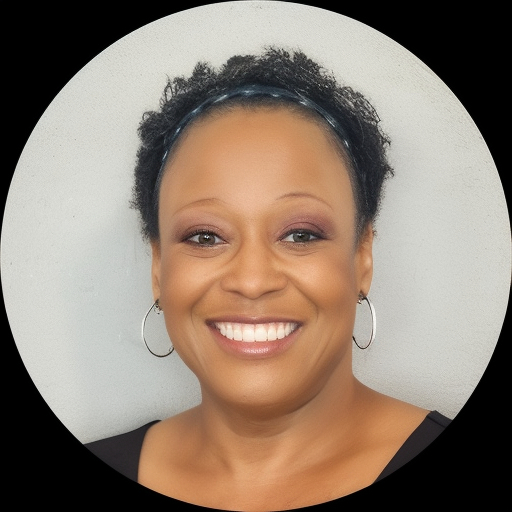
About Daphne
Daphne Henderson is a Licensed Clinical Social Worker (LCSW) practicing in Texas with five years of clinical experience. She works with adults who are coping with stress, anxiety, depression, mood swings, parenting strain, and life changes. Daphne focuses on helping people manage low periods, irritability, panic symptoms, and feelings of isolation.
She listens for what matters most and helps people notice unhelpful patterns in thought and behavior. Daphne uses practical tools drawn from Cognitive Behavioral Therapy and Acceptance and Commitment Therapy to help people respond differently to painful feelings. She also draws on Client-Centered and Emotionally-Focused approaches to improve how people relate to themselves and others.
In sessions she tends to keep language clear and direct. People practice skills together in the session and plan small changes to try between meetings. Daphne pays attention to how attachment and past losses affect current relationships and mood, and she helps people name and work with those patterns.
When parenting stress or caregiver strain is a concern, she focuses on coping strategies and communication skills that fit real life. For those dealing with guilt, shame, or control issues, she helps identify manageable next steps rather than overwhelming goals.
Daphne uses evidence-based methods without jargon. Her work emphasizes changes people can try right away to reduce panic, improve mood, and reconnect with others. If you want to explore whether her approach fits your needs, confirm the current session options before booking.
Approaches used in online sessions
Acceptance and Commitment Therapy (ACT) focuses on noticing thoughts and feelings without getting stuck in them and choosing actions that reflect personal values. This helps when mood swings or low motivation make it hard to move forward. Cognitive Behavioral Therapy (CBT) breaks down how thoughts, feelings, and behaviors interact and teaches clear strategies to reduce anxiety and depressive patterns. It is useful for panic symptoms and repetitive negative thinking. Client-Centered Therapy emphasizes listening and collaboration so clients feel heard while they test small changes in daily life.Choosing the right approach is a team effort. Daphne will discuss goals and try methods that match your needs and preferences, adjusting techniques as work progresses. The emphasis is on practical steps and reviewing what helps between sessions.
Confirm the current session formats before booking since formats were not specified in the biography. Online work can make it easier to fit meetings into a busy schedule, support shorter check-ins when time is limited, and allow therapy without commuting. Licensed professionals can adapt ACT and CBT exercises for remote sessions so people can practice skills between meetings and bring concrete issues from everyday life into conversation.
Areas of expertise
Primary focus
Additional focus areas
Therapeutic approaches
Experience
5+ years
Credentials
Texas
Languages
English
Frequently asked questions
What concerns does she address?
She supports adults with stress, anxiety, depression, mood disorders, parenting strain, and related issues such as guilt, shame, and isolation.
What methods does she use in sessions?
She draws from Cognitive Behavioral Therapy, Acceptance and Commitment Therapy, Client-Centered therapy, Dialectical Behavior Therapy, and Emotionally-Focused Therapy to offer practical skills and relational work.
How much clinical experience does she have?
She has five years of clinical experience working with adults on mood and relationship concerns.
Where is she licensed and based?
She is a Licensed Clinical Social Worker (LCSW) licensed in Texas and practices with Texas-based clients.
Can sessions be conducted in other languages?
Sessions are offered in English only.
Does she work with international clients?
She does not accept international clients at this time.
How much do sessions cost?
Cost varies by location; sessions use a subscription model that can be canceled at any time.
How do I begin a first session?
Select the See online therapy options button, complete a short matching questionnaire, and schedule a first session through the platform.
Before you reach out
- Check that the state license on record covers the state you live in.
- You do not need a diagnosis or the right words. Saying "my mood has been up and down" or "I have felt low for weeks" is a fine place to start.
- Counselors offer talking support. Questions about medication belong with a doctor or psychiatrist, and the two can go side by side.
- A profile shows the topics a counselor lists; it is not a diagnosis or a promise of any result.
If you feel unsafe right now, call or text 988, or call 911.