- Cognitive Behavioral Therapy
- Client-Centered Therapy
- Emotionally-Focused Therapy
About David
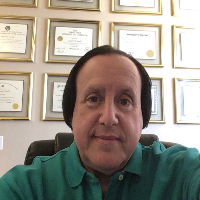
Dr. David Lustig is a FL Psychologist (PY3358) with 34 years of experience. He lists stress, anxiety, depression, mood disorders and related concerns among the issues he addresses. He practices in Florida and conducts work in English.
He emphasizes clear, practical approaches in sessions. Cognitive Behavioral Therapy (CBT) is a central method he uses; it focuses on changing unhelpful thinking and behavior patterns. He also uses client-centered techniques that prioritize the person's perspective and emotionally-focused ideas that look at attachment and emotional responses.
His background includes long experience in independent practice and many years teaching at the college level. He has written a parenting book and has extensive media experience, which has involved giving interviews and talks on psychological topics. That public work informs his ability to explain concepts plainly in session.
In practice he aims for straightforward work that helps people make changes they can notice. Sessions often involve setting clear goals, trying new skills between meetings, and reviewing what worked. He may use humor or an encouraging tone when appropriate to help put people at ease.
People come to him for a wide range of concerns, including relationship struggles, grief, addiction-related problems, sleep and eating issues, anger, and coping with life changes. The focus is on helping people manage symptoms and build practical tools they can use day to day.
How David Lustig’s approaches translate to online work
Dr. Lustig uses Cognitive Behavioral Therapy as a core approach, which focuses on identifying unhelpful thoughts and testing new behaviors. CBT can help with mood swings, anxiety and sleep or eating difficulties by breaking problems into concrete steps and practicing skills between sessions.He also uses Client-Centered Therapy, which centers the person’s perspective and builds conversation around what matters most to them. This approach supports exploring feelings and priorities in a collaborative way, useful for relationship and self-esteem concerns.
Finding the best approach is part of therapy. Dr. Lustig works with each person to decide which methods fit their goals and preferences. He will discuss options and adjust the plan as work progresses so sessions stay practical and focused on measurable changes.
Session formats are not specified in the biography, so please confirm current session options before booking. Many people find online work helps fit appointments into their week and makes it easier to keep regular check-ins. Online sessions can allow shorter phone check-ins, camera meetings when useful for interaction, or other arrangements that help maintain steady progress without large scheduling disruptions.
Areas of expertise
Primary focus
Also works with
Additional focus areas
Therapeutic approaches
Experience
34+ years
Credentials
Florida
Languages
English
Frequently asked questions
What kinds of problems does he work with?
He lists stress, anxiety, depression, mood disorders and related concerns such as grief, addictions, sleep and eating problems.
What methods are used in sessions?
He primarily uses Cognitive Behavioral Therapy and client-centered approaches, and also draws on Emotionally-Focused and Solution-Focused ideas as appropriate.
How much clinical experience does he have?
He has 34 years of professional experience in psychological practice, teaching, writing and public speaking.
What credential does he hold and where is he based?
He is a FL Psychologist (PY3358) and conducts practice work in Florida.
Which languages are supported?
Sessions are offered in English.
Does he work with international clients?
He does not accept international clients at this time.
How are sessions charged?
Cost varies with location and sessions use a subscription that can be canceled at any time.
How do I begin the process?
Use the See online therapy options button, complete a short matching questionnaire, and schedule a first session.
Before you reach out
- Check that the state license on record covers the state you live in.
- You do not need a diagnosis or the right words. Saying "my mood has been up and down" or "I have felt low for weeks" is a fine place to start.
- Counselors offer talking support. Questions about medication belong with a doctor or psychiatrist, and the two can go side by side.
- A profile shows the topics a counselor lists; it is not a diagnosis or a promise of any result.
If you feel unsafe right now, call or text 988, or call 911.