- DBT skills
- CBT techniques
- Client-centered care
About Dayna
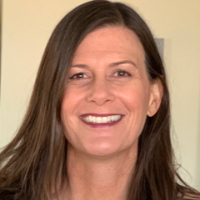
Dayna Hunt is a Licensed Marriage and Family Therapist (LMFT) in California with 27 years of clinical experience. She works with people facing stress, anxiety, depression, relationship and family concerns, trauma, grief, addictions, eating issues, parenting strain, ADHD, and mood disorders. She also supports people dealing with life changes like divorce, blended family dynamics, postpartum depression, and seasonal affective disorder.
Dayna grew up in Northern California and completed a Bachelor of Science at California Polytechnic State University, San Luis Obispo, followed by a Master of Science in Counseling Psychology at Dominican University in San Rafael. Her career began 27 years ago and has included independent practice, family service agencies, schools, and corporate settings. She has worked with individuals, couples, teens, children, and families in those roles.
Her work uses several practical therapy approaches. She draws on Dialectical Behavior Therapy to build skills in distress tolerance, emotion regulation, mindfulness, and interpersonal effectiveness. She uses Cognitive Behavioral Therapy to help people notice and change thought patterns that influence mood and behavior. She also practices a client-centered approach focused on clear communication and stronger boundaries.
In sessions she helps people break problems into manageable steps. She teaches concrete skills for handling intense feelings, navigating family conflict, reducing shame and guilt, and improving communication. Sessions often focus on what someone can try right away to feel steadier and more connected to their daily life.
Dayna enjoys outdoor activities, hiking, and spending time with family when she is not working. She combines years of experience with practical tools to help people cope with low mood, anger, and the stresses of everyday life.
How her approaches translate to online work
Acceptance and Commitment Therapy (ACT) focuses on clarifying values and taking committed action toward them while learning to live with difficult thoughts and feelings. It can help when low mood or emptiness makes it hard to move forward. Cognitive Behavioral Therapy (CBT) teaches practical ways to notice and shift unhelpful thinking patterns and behaviors that keep mood low or anxiety high. It is useful for managing depression, SAD, and anxiety symptoms. Dialectical Behavior Therapy (DBT) emphasizes skills for distress tolerance, emotion regulation, mindfulness, and better communication, which can reduce reactive anger and relationship conflict. Finding the right approach is part of the work. The therapist will collaborate with each person to try methods that fit their goals and preferences, and adjust as needed based on what helps most. This means experimenting with practical skills and talking through what changes feel doable in daily life. The biography does not list specific online session formats, so confirm current options before booking. In general, online sessions can make it simpler to fit therapy into a busy schedule, allow shorter check-ins when needed, and reduce travel time. They also let people practice skills in context between meetings and apply tools directly to everyday situations. Licensed professionals can adapt ACT, CBT, and DBT techniques for remote sessions so people can work on mood, coping skills, and relationship communication without changing their routine.Areas of expertise
Primary focus
Also works with
Additional focus areas
Therapeutic approaches
Experience
27+ years
Credentials
California
Languages
English
Frequently asked questions
What concerns does she address?
She works with stress, anxiety, depression, mood disorders, relationship and family issues, trauma, grief, addictions, eating concerns, parenting stress, ADHD, and related life changes.
What methods does she use in sessions?
She blends Dialectical Behavior Therapy (DBT), Cognitive Behavioral Therapy (CBT), Acceptance and Commitment Therapy (ACT), EMDR, and a client-centered approach to teach skills and support new perspectives.
How much clinical experience does she have?
She has 27 years of experience working in independent practice, agencies, schools, and corporate settings with individuals and families.
What are her credentials and where is she based?
She is a Licensed Marriage and Family Therapist (LMFT) licensed in California and practices from that state.
Does she see people who speak other languages or international clients?
Sessions are offered in English and she is not accepting international clients at this time.
What session formats are offered?
The original biography does not specify session formats; confirm current session options before booking to know how sessions are conducted.
How does pricing work?
Cost varies with location, and sessions use a subscription that can be canceled at any time.
How do I begin working with her?
Start by selecting the See online therapy options button, complete a short matching questionnaire, and then schedule a first session.
Before you reach out
- Check that the state license on record covers the state you live in.
- You do not need a diagnosis or the right words. Saying "my mood has been up and down" or "I have felt low for weeks" is a fine place to start.
- Counselors offer talking support. Questions about medication belong with a doctor or psychiatrist, and the two can go side by side.
- A profile shows the topics a counselor lists; it is not a diagnosis or a promise of any result.
If you feel unsafe right now, call or text 988, or call 911.