- Mood disorders
- CBT methods
- EMDR and mindfulness
About Debra
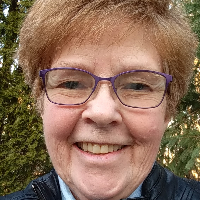
Debra Schwarze is an Illinois Licensed Clinical Professional Counselor (LCPC) and a Wisconsin Licensed Professional Counselor (LPC) with 30 years of experience. She works with people facing mood changes, depression, bipolar concerns, anxiety, grief, caregiving stress, and other mood disorders. She also supports those coping with life changes, cancer, end-of-life issues, and relationship strain.
Debra uses a straightforward, person-focused approach. She listens first and helps people name what feels overwhelming. She applies methods from client-centered therapy and cognitive behavioral therapy to help people notice patterns and try small changes that can ease daily life.
When trauma or painful memories are part of the picture, she may use EMDR to help people process distressing experiences. She also draws on mindfulness practices to teach simple tools for calming the body and focusing attention. Art-making is available for people who find it easier to show what is hard to say in words.
Sessions emphasize practical steps and honest conversation. Debra encourages open sharing and steady, realistic goals rather than quick fixes. She aims to help people build clearer routines, better sleep habits, and coping skills for stress and panic symptoms.
Her background spans community mental health, schools, faith-based programs, health systems, and independent practice. That breadth informs a flexible style that adapts to what each person needs in the moment. Prospective clients should confirm current session options before booking.
To begin, someone selects the See online therapy options button, completes a short matching questionnaire, and schedules a first session.
How therapeutic approaches are used in online sessions
Debra commonly blends client-centered work with cognitive behavioral therapy. Client-centered work means conversations that follow what matters most to the person and build trust. Cognitive behavioral therapy focuses on spotting unhelpful thoughts and testing small changes in behavior to reduce symptoms like low mood or panic.EMDR is another option she uses when past trauma contributes to current distress. EMDR sessions involve guided processing of upsetting memories to reduce their intensity and the emotional charge they carry. Mindfulness techniques are also taught to help manage anxiety, improve focus, and support sleep routines.
Finding the right mix of methods is part of the process. She will work with each person to choose approaches that match their goals and comfort level, adjusting methods over time as needed.
Session formats are not listed in the biography, so confirm current options before booking. Online sessions can make it easier to fit therapy into a workday, avoid travel time, and keep appointments when schedules are busy. They also allow for shorter check-ins when that is helpful and for using tools such as guided breathing or simple behavioral experiments between meetings.
Areas of expertise
Also works with
Additional focus areas
Therapeutic approaches
Experience
30+ years
Credentials
Illinois, Wisconsin
Languages
English
Frequently asked questions
What concerns does she address?
She works with stress, anxiety, depression, bipolar concerns, grief, caregiver strain, mood disorders, and related life changes.
What is her therapeutic style?
She uses a person-focused approach with practical steps, combining client-centered conversation with structured techniques from CBT and mindfulness.
How much experience does she have?
She has three decades of experience in community mental health, schools, faith-based settings, health systems, and independent practice.
What credentials does she hold and where is she based?
She is an Illinois LCPC and a Wisconsin LPC and practices from Illinois.
Does she work in languages other than English?
Sessions are offered in English.
Can people outside the US work with her?
She does not accept international clients at this time.
How are sessions scheduled and what about cost?
Cost varies with location and sessions use a subscription that can be canceled at any time.
How do I begin with her?
Select the See online therapy options button, complete a short matching questionnaire, and schedule a first session.
Before you reach out
- Check that the state license on record covers the state you live in.
- You do not need a diagnosis or the right words. Saying "my mood has been up and down" or "I have felt low for weeks" is a fine place to start.
- Counselors offer talking support. Questions about medication belong with a doctor or psychiatrist, and the two can go side by side.
- A profile shows the topics a counselor lists; it is not a diagnosis or a promise of any result.
If you feel unsafe right now, call or text 988, or call 911.