- CBT
- DBT
- ACT
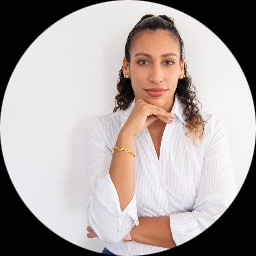
About Diandra
LMHC Diandra Ortiz is a Florida licensed mental health counselor with five years of clinical experience. She works with adults who face anxiety, depression, mood swings, addiction, grief, and relationship strain. Sessions are offered in English and Spanish and Diandra accepts international clients.
Diandra focuses on practical skills you can use between sessions. She blends cognitive behavioral techniques with mindfulness and emotion-focused work. That means clients practice noticing difficult thoughts, learning new behavior patterns, and naming emotions to reduce their intensity.
Her work often looks at how stress and past trauma shape current reactions. She helps people sort through addiction and process issues such as eating or substance use. Conversations also cover boundaries, communication problems, codependency, and control issues that keep people stuck.
Diandra pays attention to identity and social context. She supports people dealing with LGBT concerns, immigration-related stress, and isolation or loneliness. She also helps young adults navigate career choices, sleep and eating problems, and the ups and downs of mood disorders.
In sessions she uses short exercises, skill practice, and reflective conversation. People leave with concrete steps to try at home. To begin, clients complete a brief matching questionnaire and schedule an initial appointment through the See online therapy options button.
How Diandra uses therapeutic approaches in remote sessions
Acceptance and Commitment Therapy (ACT) encourages noticing thoughts without getting stuck and clarifying personal values to guide action. It can help when mood swings or low periods make it hard to move toward meaningful activities. Cognitive Behavioral Therapy (CBT) focuses on identifying unhelpful thinking patterns and testing new behaviors to reduce anxiety and depression. It is practical for panic, low mood, and sleep or eating disruptions. Dialectical Behavior Therapy (DBT) offers concrete skills for managing intense emotions and improving distress tolerance, which can be useful for impulse control and addictive behaviors.Finding the best approach is part of the work together. The therapist will review a client’s concerns, habits, and goals and recommend methods to try. Sessions are collaborative and can shift as needs change, combining skill practice with reflection and planning.
Confirm the available session formats before booking. The main practical benefit of remote sessions is fitting therapy into everyday life - easier scheduling around work, fewer trips, and a simpler way to check in between appointments. Remote work also makes it possible to connect with a therapist who speaks English or Spanish even if they are not local. Ask about timing and steps for your first appointment when you complete the matching questionnaire.
Areas of expertise
Primary focus
Also works with
Additional focus areas
Therapeutic approaches
Experience
5+ years
Credentials
Florida
Languages
English, Spanish
Frequently asked questions
What concerns does she address?
She helps with anxiety, depression, mood disorders, addiction, grief, relationship issues, and related concerns such as sleep and eating problems.
What is her therapeutic style?
She combines cognitive behavioral techniques, mindfulness, dialectical strategies, and emotion-focused work to teach skills and increase emotional awareness.
How much experience does she have?
She has five years of clinical experience as a licensed mental health counselor in Florida.
What are her credentials and location?
She practices as an LMHC licensed in Florida and sees clients who are located in or connected to that state and elsewhere.
Which languages are supported?
Sessions are offered in English and Spanish.
Can international clients work with her?
Yes, she accepts international clients; confirm session logistics and timing when you book.
How are sessions priced?
Cost varies by location and sessions use a subscription model that can be canceled at any time.
How do I start a first session?
Select the See online therapy options button, complete a short matching questionnaire, and schedule your initial appointment.
Before you reach out
- Check that the state license on record covers the state you live in.
- You do not need a diagnosis or the right words. Saying "my mood has been up and down" or "I have felt low for weeks" is a fine place to start.
- Counselors offer talking support. Questions about medication belong with a doctor or psychiatrist, and the two can go side by side.
- A profile shows the topics a counselor lists; it is not a diagnosis or a promise of any result.
If you feel unsafe right now, call or text 988, or call 911.