- Stress and anxiety
- Substance use
- Grief and loss
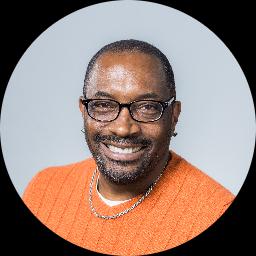
About Donald
Donald Essex is a Licensed Professional Clinical Counselor (LPCC) in California with 12 years of clinical experience. He works with people facing stress, anxiety, addictions, grief, bipolar issues, and coping with life changes. Sessions are conducted in English and aimed at adults seeking practical help for mood shifts and difficult transitions.
Donald focuses on straightforward conversation and problem-solving. He listens to what is most pressing and helps people sort priorities. He talks through coping strategies for mood swings, ways to manage stress, and steps to address substance use when it is a concern.
His approach emphasizes everyday skills and realistic planning. That can include developing routines, communication techniques, and strategies to handle triggers. He also supports people dealing with complicated loss and major life adjustments, helping them find clearer next steps.
Donald has worked in mental health settings for over a decade. He brings that breadth of experience to sessions while keeping things practical and goal-oriented. People who prefer direct feedback and concrete tools often find this style helpful.
To begin, he asks people to describe what they want to change and what has been tried so far. From there he and the client set short-term goals and track progress. Those looking for help with mood fluctuations, grief, or substance concerns can use that first session to see if this approach fits.
How evidence-based approaches are used in online sessions
Donald draws on evidence-based therapeutic techniques that focus on practical skills. One common method teaches behavioral strategies to manage mood swings and daily routines; it helps people reduce low periods by changing habits and increasing steady activities. Another approach centers on coping skills for anxiety and addiction, offering step-by-step tools to manage cravings, reduce reactivity, and plan safer choices.Choosing the right approach is part of the work. Donald will collaborate with each person to identify goals, try methods, and adjust the plan based on how well strategies are working. That collaborative process helps clarify which techniques fit a person's preferences and challenges.
Practical benefits of online sessions include fitting therapy into busy schedules and avoiding travel time. Online work can make it easier to check in during a lunch break, handle brief focused sessions, or maintain continuity when circumstances change. Confirm the current session formats and technical options before booking so arrangements match your daily routine.
Areas of expertise
Primary focus
Additional focus areas
Experience
12+ years
Credentials
California
Languages
English
Frequently asked questions
What concerns does he focus on?
He works with stress, anxiety, addictions, grief, bipolar issues, and coping with life changes.
What is his therapeutic style?
Sessions are practical and goal-focused, with emphasis on coping skills, routines, and communication techniques.
How much experience does he have?
He has 12 years of professional work in the mental health field.
What are his credentials and location?
He is a California LPCC and practices in California.
Does he work in languages other than English?
Sessions are offered in English only.
Can people outside the U.S. work with him?
He does not accept international clients at this time.
How are sessions scheduled and what are formats?
Please confirm current session options before booking, as formats are not specified here.
How are fees handled?
Cost varies with location and sessions use a subscription that can be canceled at any time.
Before you reach out
- Check that the state license on record covers the state you live in.
- You do not need a diagnosis or the right words. Saying "my mood has been up and down" or "I have felt low for weeks" is a fine place to start.
- Counselors offer talking support. Questions about medication belong with a doctor or psychiatrist, and the two can go side by side.
- A profile shows the topics a counselor lists; it is not a diagnosis or a promise of any result.
If you feel unsafe right now, call or text 988, or call 911.