- Depression and anxiety
- Parenting stress
- CBT and client-centered
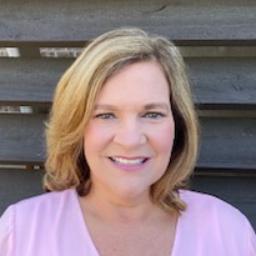
About Donda
Donda Goodson is a Licensed Mental Health Counselor (LMHC) and a Licensed Professional Counselor (LPC) practicing in Alabama. She has 32 years of experience and works with people facing stress, anxiety, depression, trauma and abuse, grief, addictions, ADHD, bipolar mood concerns, anger, parenting strain, and related issues.
She trained in vocational rehabilitation at Auburn University and completed a Master of Science in Rehabilitation Counseling at the University of Alabama at Birmingham. Her clinical work spans mental health agencies and independent practice settings. Over three decades she has supported people with problems that range from maintaining sobriety to managing obsessive thoughts and trauma responses.
Donda sees adults who are coping with long low periods, sudden mood shifts, persistent worry, grief, or frustration from parenting and family roles. She also has experience with clients who have autism spectrum conditions and attention difficulties and with those managing chronic pain or co-occurring health concerns.
Her approach draws on client-centered methods and cognitive behavioral techniques. Sessions involve practical conversation, identifying unhelpful patterns, and trying specific strategies to change thoughts and behaviors. Mindfulness and elements of dialectical behavior therapy and Acceptance and Commitment Therapy are also used when helpful.
She emphasizes clear goals and step-by-step work. People can expect straightforward talk about what is getting in the way and small, doable steps to test different ways of coping. To begin, clients follow the site sign-up flow and schedule an initial session through the online options.
How therapeutic approaches are used in online sessions
Acceptance and Commitment Therapy (ACT) focuses on noticing thoughts and values and choosing actions that matter despite difficult feelings; it can help when mood swings or avoidance limit daily life. Cognitive Behavioral Therapy (CBT) looks at the links between thoughts, feelings, and behaviors and teaches practical skills to reduce low mood and anxiety. Client-Centered Therapy emphasizes listening and collaboration so the person can explore what matters to them and set realistic goals for change.Donda will work with each person to find which approach or mix fits best. She treats this as a collaborative process - goals, preferred techniques, and what feels most helpful guide the plan rather than a fixed method from the start.
The specific session formats for this profile are not listed here, so confirm the current options during sign-up. In general, online work can make it easier to fit sessions into a busy week, allow shorter check-ins when needed, and avoid travel time. Many people find remote sessions helpful for keeping therapy consistent while balancing work, parenting, and daily demands.
Areas of expertise
Also works with
Additional focus areas
Therapeutic approaches
Experience
32+ years
Credentials
Alabama, Florida, Virginia
Languages
English
Frequently asked questions
What concerns does she address?
Donda works with stress, anxiety, depression, trauma and abuse, grief, addictions, anger, bipolar concerns, ADHD, and parenting or family-related struggles.
What is her therapeutic style?
She uses client-centered conversation and cognitive behavioral techniques, with mindfulness, DBT, and Acceptance and Commitment Therapy elements when useful.
How long has she been practicing?
She has 32 years of clinical experience in mental health agencies and independent practice.
What are her credentials and where is she located?
She holds LMHC and LPC credentials and practices in Alabama.
Which languages are supported?
Sessions are offered in English.
Can international clients work with her?
She is not currently accepting international clients.
What session formats are available?
Session formats are not specified here; please confirm current session options before booking.
How are costs handled?
Cost varies with location and sessions use a subscription that can be canceled at any time.
Before you reach out
- Check that the state license on record covers the state you live in.
- You do not need a diagnosis or the right words. Saying "my mood has been up and down" or "I have felt low for weeks" is a fine place to start.
- Counselors offer talking support. Questions about medication belong with a doctor or psychiatrist, and the two can go side by side.
- A profile shows the topics a counselor lists; it is not a diagnosis or a promise of any result.
If you feel unsafe right now, call or text 988, or call 911.