- Stress and anxiety
- Depression and bipolar
- CBT and ACT methods
About Donna
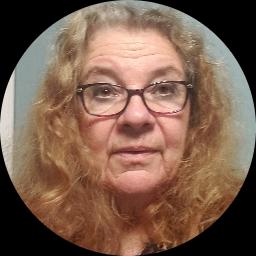
Donna Marie Clark is an LPC - Licensed Professional Counselor in Pennsylvania with 32 years of clinical experience. She works with people who struggle with stress, anxiety, depression, bipolar mood shifts, addictions, anger, low self-esteem, and relationship or intimacy concerns. Her practice also addresses life transitions, coping skills, compassion fatigue, and attention-related challenges such as ADHD.
She uses straightforward conversation to help people sort out what matters most to them. Sessions focus on practical steps such as managing mood swings, reducing impulsive reactions, and improving communication. She draws on cognitive behavioral tools and acceptance-based ideas to help clients notice unhelpful patterns and try different responses.
Donna also attends to attachment and emotion-focused concerns when relationships are part of the problem. That can look like tracing interaction patterns, naming emotions that get stuck, and practicing new ways of responding in close relationships. Motivational interviewing techniques are used when people are facing change or struggling with substance use and other addictive patterns.
People working with her can expect patient, direct conversation and a plan that aims at concrete changes. She explains options and helps people set short-term goals to test new behaviors. Progress is reviewed regularly so plans can be adjusted as needed.
Her office is in Pennsylvania and she conducts work in English. Before booking, readers should confirm current session formats and scheduling options to match their needs.
How therapeutic approaches are used in online sessions
Acceptance and Commitment Therapy, or ACT, helps people notice painful thoughts and feelings without getting stuck in them, and then choose actions that reflect their values. It can help with long low periods, mood swings, and motivation to make life changes.Cognitive Behavioral Therapy, or CBT, focuses on spotting unhelpful thought patterns and testing new behaviors. It is commonly used for anxiety, depression, and managing impulses that feed addictions or anger.
Attachment-Based ideas and Emotionally-Focused Therapy help when relationship patterns and emotional responses keep repeating. These approaches look at how early patterns influence current interactions and practice different ways of relating to others.
Finding the right mix of methods is part of the work. The therapist will discuss goals and preferences and collaborate to choose which approaches to try. Sessions are adjusted based on how clients respond and what feels practical for them.
Confirm the exact session options before booking since formats are not listed here. Online sessions can make it easier to fit therapy into a busy life, allow shorter check-ins when needed, and reduce travel time. Ask about the available session formats and scheduling when you start the sign-up process.
Areas of expertise
Primary focus
Also works with
Additional focus areas
Therapeutic approaches
Experience
32+ years
Credentials
Pennsylvania
Languages
English
Frequently asked questions
What concerns does she address?
She works with stress, anxiety, depression, bipolar mood shifts, addictions, anger, self-esteem, relationship and intimacy issues, and related life changes.
What is her therapeutic style?
She uses clear, practical conversation with goal-focused work. Techniques include exploring thoughts and behaviors and testing new responses between sessions.
How much experience does she have?
Donna has 32 years of professional experience as an LPC in Pennsylvania.
What credentials and location should I know?
She holds the LPC credential and practices in Pennsylvania.
Which languages are offered?
Sessions are offered in English.
Does she work with clients outside the U.S.?
International clients are not accepted at this time.
How are fees handled?
Rates vary by location and sessions use a subscription that can be canceled at any time.
How do I begin a first session?
Choose the See online therapy options button, complete a short matching questionnaire, and schedule your first session.
Before you reach out
- Check that the state license on record covers the state you live in.
- You do not need a diagnosis or the right words. Saying "my mood has been up and down" or "I have felt low for weeks" is a fine place to start.
- Counselors offer talking support. Questions about medication belong with a doctor or psychiatrist, and the two can go side by side.
- A profile shows the topics a counselor lists; it is not a diagnosis or a promise of any result.
If you feel unsafe right now, call or text 988, or call 911.