- Stress and depression
- Trauma informed practice
- Workplace issues
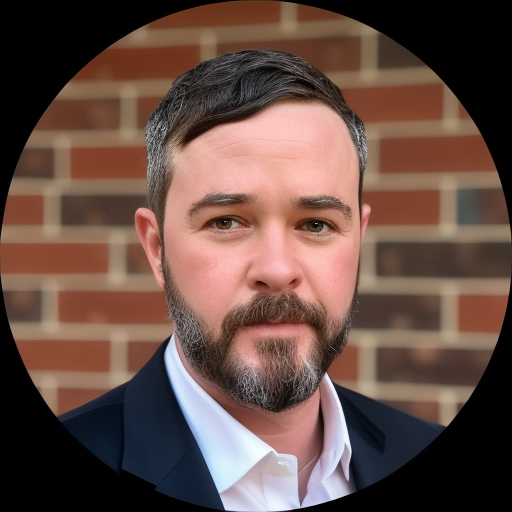
About Edward
Edward Gorch is a Licensed Clinical Social Worker (LCSW) in New York with 26 years of clinical experience. He works with people facing stress, anxiety, depression, workplace difficulties, and trauma and abuse. He also focuses on related concerns such as isolation, guilt and shame, social anxiety, and mood disorders.
Edward helps people sort through painful emotions and recurring patterns. Sessions are straightforward and practical. He listens to what feels most urgent and then helps set clear, manageable goals.
His work often addresses long low periods and mood swings alongside anxiety or workplace pressure. He guides people through processing past hurts and learning day-to-day strategies that reduce overwhelm. The aim is to make small changes that add up over time.
Edward uses evidence-based therapeutic techniques and applies a trauma-informed lens when needed. He helps clients examine limiting beliefs, practice new ways of relating, and try healthier coping skills. Progress is tracked in concrete ways so people can see what helps.
People who come to him for anger, forgiveness, or struggles with self-worth will find a practical approach. He supports conversations about life purpose, self-love, and social connection. Before booking, readers should confirm current session options and formats to match their needs.
Therapeutic approaches and how online sessions work
Edward uses evidence-based techniques that focus on concrete change. One common approach is cognitive methods that look at unhelpful thought patterns and test new ways of thinking; this helps reduce persistent anxiety and low mood. He also uses trauma-informed techniques to help people process past hurts and decrease the emotional charge around difficult memories, which can ease symptoms linked to mood and stress.Finding the right approach is a collaborative process. Edward discusses goals and preferences with each person and adjusts methods as progress and needs evolve. He frames therapy as a team effort where techniques are chosen to match practical concerns and desired outcomes.
Session formats are not specified in the biography, so readers should confirm current options before booking. Online sessions can make it easier to fit therapy into a busy schedule, require less travel time, and allow shorter check-ins when needed. Licensed professionals and therapists often find that remote work supports continuity of care and lets people keep momentum between sessions, but confirm the exact session formats offered before you schedule.
Areas of expertise
Primary focus
Additional focus areas
Experience
26+ years
Credentials
New York
Languages
English
Frequently asked questions
What kinds of concerns does he address?
He works with stress, anxiety, depression, workplace problems, trauma and related issues such as guilt, shame, isolation, and mood disorders.
How would you describe his therapeutic style?
Sessions are practical and goal oriented, with an emphasis on clear steps and coping skills drawn from evidence-based techniques.
How much clinical experience does he have?
He has 26 years of experience practicing as a clinician in New York.
What credential and location information is provided?
He is a Licensed Clinical Social Worker (LCSW) licensed in New York and practices from that state.
Which languages are sessions offered in?
Sessions are offered in English.
Can international clients work with him?
He does not accept international clients at this time.
How are sessions paid for and what does it cost?
Cost varies with location; sessions use a subscription that can be canceled at any time.
How do I begin the process of meeting with him?
Select the See online therapy options button, complete a short matching questionnaire, and schedule a first session.
Before you reach out
- Check that the state license on record covers the state you live in.
- You do not need a diagnosis or the right words. Saying "my mood has been up and down" or "I have felt low for weeks" is a fine place to start.
- Counselors offer talking support. Questions about medication belong with a doctor or psychiatrist, and the two can go side by side.
- A profile shows the topics a counselor lists; it is not a diagnosis or a promise of any result.
If you feel unsafe right now, call or text 988, or call 911.