- Depression support
- Anxiety management
- Grief and loss
About Eiesha
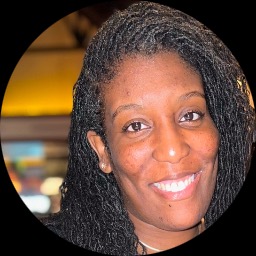
Eiesha Porter is a Licensed Professional Counselor (LPC) practicing in Georgia with three years of experience. She focuses on mood-related concerns such as depression, anxiety, trauma and abuse, grief, anger, and stress. She also works with issues like abandonment, attachment struggles, codependency, and loneliness. Sessions are conducted in English and she does not accept international clients.
Porter approaches sessions in a culturally aware way and attends to identity factors that shape how people experience mood and stress. She places emphasis on building practical coping skills and clearer communication. The work often involves talking through recent stresses and looking at patterns that keep low mood or irritability in place.
She can help people sort out relationship-related problems like infidelity, communication problems, and family conflict from the viewpoint of the individual. Porter also supports people dealing with substance use concerns and domestic violence impacts as they look for safer choices and next steps. Her approach aims to reduce overwhelming feelings and increase day-to-day functioning.
Clients who prefer straightforward, task-focused sessions may find her style helpful. Expect short-term goals such as stabilizing mood, improving sleep and routines, or practicing skills to manage anger and impulsivity. Progress is measured in small changes such as fewer intense episodes, clearer boundaries, or better problem solving.
To begin, interested people follow the site's booking flow to select online therapy options and complete a brief matching questionnaire. That step leads to scheduling an initial session to set goals and plan further work.
How therapeutic approaches are used in online sessions
Many therapists who treat mood concerns use evidence-based techniques that focus on current problems and teach practical skills. One common approach helps people identify and change the thoughts and behaviors that keep low mood or anxiety in place, using short exercises and homework to practice new ways of coping. Another approach concentrates on processing past hurt and trauma in manageable steps, helping reduce the intensity of painful memories and their impact on daily life.Choosing the right method is a collaborative process. The therapist will work with each person to match techniques to their goals, preferences, and current concerns. Together they set small objectives and adjust methods as progress is observed or goals change.
Session formats are not specified in the biography, so confirm current online session options before booking. Online work can make it easier to fit appointments into a busy week, allow for quicker check-ins, and reduce travel time. Many people find these practical benefits help keep therapy consistent while they focus on improving mood and managing stress.
Areas of expertise
Primary focus
Additional focus areas
Experience
3+ years
Credentials
Georgia
Languages
English
Frequently asked questions
What kinds of problems does she address?
She focuses on mood concerns such as depression and anxiety, plus trauma, grief, anger, and related stressors.
What is her therapeutic style like?
The approach is practical and culturally aware, with an emphasis on coping skills, communication, and reducing overwhelming feelings.
How much experience does she have?
She has three years of clinical experience as an LPC working with mood and stress-related issues.
What credentials and location apply?
She is a Licensed Professional Counselor (LPC) licensed in Georgia and practices there.
Which languages are supported?
Sessions are offered in English.
Does she accept international clients?
She does not accept international clients at this time.
How are sessions billed and what does it cost?
Cost varies by location and sessions are provided through a subscription that can be canceled at any time.
How do I get started with a first session?
Select the See online therapy options button, complete a short matching questionnaire, and schedule an initial session.
Before you reach out
- Check that the state license on record covers the state you live in.
- You do not need a diagnosis or the right words. Saying "my mood has been up and down" or "I have felt low for weeks" is a fine place to start.
- Counselors offer talking support. Questions about medication belong with a doctor or psychiatrist, and the two can go side by side.
- A profile shows the topics a counselor lists; it is not a diagnosis or a promise of any result.
If you feel unsafe right now, call or text 988, or call 911.