- CBT methods
- Multicultural perspective
- Parenting support
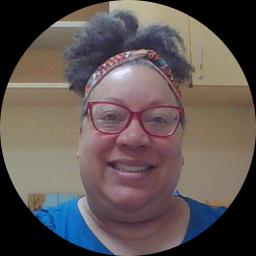
About Erica
Erica Camp is an Ohio LPCC - Licensed Professional Clinical Counselor with four years of clinical experience. She works with people dealing with stress, anxiety, depression, family conflict, trauma and abuse, and parenting challenges. Erica approaches work in a collaborative way and adapts conversations to each person's situation.
She uses cognitive behavioral techniques alongside multicultural perspectives to address how thoughts, feelings, and cultural context interact. Sessions focus on practical skills people can use between meetings, such as questioning unhelpful thoughts and testing new behaviors. This plain, step-by-step style helps when mood swings or long low periods make day-to-day tasks harder.
Erica has worked primarily with middle- and high-school-aged clients in her experience, which shaped her communication style and strategies for stress and family tensions. That background informs how she breaks problems into manageable pieces and supports people in rebuilding routines and relationships.
She pays attention to issues often linked with mood difficulties, including attachment and abandonment concerns, caregiver stress, body image, and chronic illness. Conversations may include communication skills, boundary setting, and ways to reduce self-blame or shame.
When someone starts with Erica, the focus is on clear goals and small, measurable steps. She explains techniques plainly and checks in on what is working. If a different approach seems better, she will discuss alternatives and adjust the plan together.
How her approaches translate to online sessions
Erica uses evidence-based techniques such as cognitive behavioral methods and a multicultural perspective. Cognitive behavioral work focuses on identifying unhelpful thoughts and testing small behavior changes to reduce low mood and anxiety. A multicultural approach pays attention to how a person’s cultural background influences feelings, relationships, and coping strategies, and it shapes how interventions are discussed.Finding the right approach is part of the work together. She will review what you want to address, try a method for a few sessions, and adjust based on your feedback and goals. That collaborative process helps determine whether to emphasize skills work, communication practice, or other strategies.
The practical advantages of online work include fitting sessions into a busy week and reducing travel time. Because the biography does not list specific session formats, confirm current session options before booking. Online sessions can make it easier to keep regular check-ins, support shorter focused meetings when needed, and allow people to continue therapy without rearranging their whole day.
Areas of expertise
Primary focus
Additional focus areas
Experience
4+ years
Credentials
Ohio
Languages
English
Frequently asked questions
What kinds of problems does she help with?
She helps people managing stress, anxiety, depression, family conflict, trauma and abuse, plus parenting concerns.
What is her therapeutic style?
Her style is collaborative and practical, using conversation to find small steps that can reduce distress and improve daily routines.
How much clinical experience does she have?
She has four years of professional work experience as an Ohio LPCC.
What credential does she hold and where is she based?
She is an LPCC - Licensed Professional Clinical Counselor licensed in Ohio.
Does she offer sessions in other languages?
Sessions are offered in English.
Can people outside the United States work with her?
She does not accept international clients at this time.
How are sessions billed?
Cost varies with location and sessions use a subscription that can be canceled at any time.
How do I begin a first session?
Select the See online therapy options button, complete a short matching questionnaire, and schedule a first session.
Before you reach out
- Check that the state license on record covers the state you live in.
- You do not need a diagnosis or the right words. Saying "my mood has been up and down" or "I have felt low for weeks" is a fine place to start.
- Counselors offer talking support. Questions about medication belong with a doctor or psychiatrist, and the two can go side by side.
- A profile shows the topics a counselor lists; it is not a diagnosis or a promise of any result.
If you feel unsafe right now, call or text 988, or call 911.