- CBT techniques
- DBT skills
- Mindfulness practice
About Eustachian
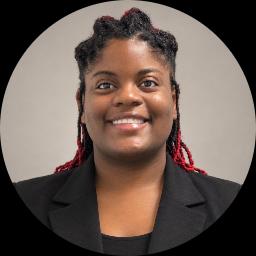
Eustachian Carrier is a Licensed Clinical Social Worker (LCSW) with four years of clinical experience based in Florida. She works with adults and adolescents and notes mood-related concerns such as depression, emotional dysregulation, and disruptive mood patterns among the issues she supports. She also helps people coping with grief, life transitions, and stress.
Eustachian uses practical techniques drawn from cognitive-behavioral and dialectical approaches alongside person-centered methods and mindfulness. In sessions she focuses on building coping skills, increasing awareness of patterns, and identifying everyday steps people can use to feel steadier. Conversations are collaborative and aimed at clear, manageable goals.
Early meetings focus on getting to know the person before moving into problem-solving. She talks through current struggles, daily routines, and what the client hopes to change. From there she and the client map small, reachable steps forward and practice skills in the work they do together.
Her background as an LCSW means she brings clinical social work perspectives to issues like family problems, adoption and foster care concerns, aging and hospice questions, and situations involving domestic violence or codependency. She also supports people facing emptiness, guilt, shame, impulsivity, and isolation.
Eustachian notes she uses mindfulness exercises alongside behavioral strategies to help with mood swings and persistent low periods. She encourages open discussion about goals and adapts sessions to what the person reports is working or not working in their daily life.
How Eustachian applies therapeutic techniques online
Evidence-based cognitive-behavioral strategies focus on identifying unhelpful thoughts and testing them against real situations. These steps help people notice thought patterns that contribute to low mood and try small behavioral changes to shift how they feel. Dialectical skills work on emotional regulation and distress tolerance, teaching simple techniques for managing intense feelings and reducing impulsive reactions.Choosing the right approach is part of the work together. The therapist will review a person’s goals, daily routine, and what has or has not helped before recommending which techniques to try. That decision is collaborative and can change as the client learns which methods fit their life.
Session formats are not listed in the profile, so confirm current options before booking. Online work can make it easier to fit sessions around work, school, or caregiving by removing travel time. It can also allow shorter check-ins when a quick follow-up is needed, or reduce bandwidth needs if video is difficult. Therapists and licensed professionals can adapt exercises and homework to the online setting so progress continues between meetings.
Areas of expertise
Additional focus areas
Experience
4+ years
Credentials
Florida
Languages
English
Frequently asked questions
What kinds of concerns does she help with?
She supports people with mood-related issues such as depression, emotional dysregulation, disruptive mood patterns, and related difficulties like grief, stress, and life transitions.
What approach does she use in sessions?
She draws on cognitive-behavioral techniques, dialectical skills, person-centered methods, and mindfulness to build coping skills and increase awareness of behavior patterns.
How much experience does she have?
She has four years of clinical experience working as a Licensed Clinical Social Worker.
Where is she based and what credential does she hold?
She is based in Florida and practices as an LCSW in that state.
Which languages does she offer sessions in?
Sessions are offered in English.
Does she work with international clients?
She does not accept international clients at this time.
What session formats are available?
Please confirm current session options before booking since session formats are not specified in the profile.
How are costs handled and how do I begin?
Cost varies with location and sessions use a subscription that can be canceled at any time. To start, select the See online therapy options button, complete the short matching questionnaire, and schedule a first session.
Before you reach out
- Check that the state license on record covers the state you live in.
- You do not need a diagnosis or the right words. Saying "my mood has been up and down" or "I have felt low for weeks" is a fine place to start.
- Counselors offer talking support. Questions about medication belong with a doctor or psychiatrist, and the two can go side by side.
- A profile shows the topics a counselor lists; it is not a diagnosis or a promise of any result.
If you feel unsafe right now, call or text 988, or call 911.