- CBT methods
- Mindfulness therapy
- Solution-focused work
About Fameika
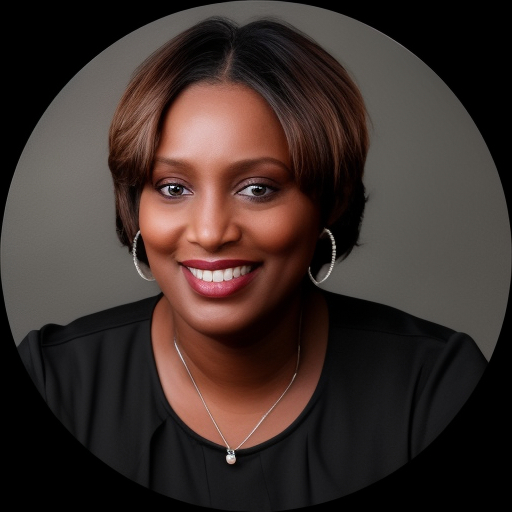
Fameika Thomas is a Licensed Clinical Social Worker (LCSW) in Mississippi with 14 years of experience. She works with people facing depression, anxiety, bipolar mood challenges, addiction, trauma, and related concerns such as anger, grief, sleep problems, and relationship strain.
She has spent much of her career in mental health settings and has worked with active duty military members and veterans. She helps people talk through communication problems, career stress, family conflict, and the aftermath of physical or emotional abuse.
Her approach is interactive and problem-focused. She uses methods drawn from cognitive behavioral therapy, mindfulness, solution-focused work, and trauma-focused techniques to help people build steps forward. Sessions typically involve setting concrete goals and practicing skills between meetings.
Fameika asks questions to understand who a person is and what they are facing. She and the client develop a plan that matches the person’s needs and circumstances. Work may include addressing guilt, codependency, compassion fatigue, or major life changes.
People reach out for help with a wide range of issues, from substance problems to blended-family tensions and caregiver stress. Thomas aims to provide direct, practical support so people can better manage mood swings, low periods, and everyday pressures.
Therapeutic approaches and working online
Fameika commonly draws on cognitive behavioral therapy and trauma-focused methods. Cognitive behavioral therapy involves identifying unhelpful thinking and testing new behaviors to reduce symptoms such as persistent low mood or disruptive worry. Trauma-focused work helps people process distressing memories and reduce their ongoing impact on daily life.She also uses mindfulness practices to help people notice thoughts and feelings without getting overwhelmed. Mindfulness can support better sleep, emotion regulation, and stress management when practiced between sessions. Choosing the right mix of approaches is part of the work; she will collaborate with each person to decide which methods fit their goals and preferences.
Session formats are not detailed here, so confirm the available online options before booking. Many people find online sessions easier to fit around work, caregiving, or travel, and some formats make shorter check-ins possible when time is limited. The practical aim is to make therapeutic work fit everyday life while focusing on clear goals and skills to manage mood and stress.
Areas of expertise
Primary focus
Also works with
Additional focus areas
Therapeutic approaches
Experience
14+ years
Credentials
Mississippi
Languages
English
Frequently asked questions
What kinds of concerns does she address?
She works with depression, anxiety, bipolar mood concerns, addiction, trauma, anger, grief, sleep problems, relationship and family issues, and related stressors.
What is her therapeutic style?
Her style is interactive and goal-oriented, using cognitive behavioral, mindfulness, solution-focused, and trauma-informed approaches to build practical skills.
How much clinical experience does she have?
She has 14 years of professional experience in mental health settings and has worked with active duty military and veterans.
What are her credentials and where is she based?
She holds an MS and is a Licensed Clinical Social Worker (LCSW) practicing in Mississippi.
Does she work in languages other than English?
Sessions are offered in English.
Can international clients work with her?
International clients are not currently accepted.
How are session costs handled?
Cost varies with location and sessions use a subscription that can be canceled at any time.
How do I begin a first session?
Select the See online therapy options button, complete the short matching questionnaire, and schedule a first session.
Before you reach out
- Check that the state license on record covers the state you live in.
- You do not need a diagnosis or the right words. Saying "my mood has been up and down" or "I have felt low for weeks" is a fine place to start.
- Counselors offer talking support. Questions about medication belong with a doctor or psychiatrist, and the two can go side by side.
- A profile shows the topics a counselor lists; it is not a diagnosis or a promise of any result.
If you feel unsafe right now, call or text 988, or call 911.