- Depression
- Anxiety
- Trauma
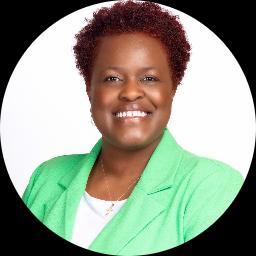
About Felicia
Felicia Spratt is an LPC - Licensed Professional Counselor in Missouri with ten years of clinical experience. She works with people facing stress, anxiety, depression, trauma and abuse, and the difficulties that come with life changes and family problems.
She helps people who feel stuck by talking through current struggles and practical ways to cope. Sessions focus on identifying patterns that fuel low mood, overwhelm, or sudden irritability. Felicia uses straightforward strategies to build daily routines and coping plans that fit real life.
Her background includes a decade of working with adults who report workplace stress, social anxiety, or trouble with family relationships. She also supports people dealing with issues such as abandonment, attachment concerns, caregiver stress, and isolation or loneliness. This experience shapes how she notices patterns and offers actionable next steps.
In sessions she draws on evidence-based therapeutic techniques to address trauma responses and depressive symptoms. She explains ideas in plain language and helps people practice skills during and between sessions. The focus is on small changes that reduce emotional intensity and improve day-to-day functioning.
Felicia asks clients to complete a short matching questionnaire to get started and then schedule a first session. Sessions are conducted in English and use a subscription model that can be canceled at any time. International clients are not currently accepted.
Evidence-based approaches and online sessions
Felicia uses evidence-based therapeutic techniques to guide work on mood and trauma. One common approach focuses on identifying unhelpful thinking and behavior patterns and then practicing alternative responses. This helps reduce persistent low mood and anxiety by changing how people react to stressful situations. Another approach addresses trauma responses with careful grounding and pacing so people can process difficult memories without becoming overwhelmed.Figuring out which approach fits best is part of the work together. The therapist will discuss goals, symptoms, and preferences, and then suggest methods to try. Clients and therapist make adjustments over time based on what feels most helpful and doable in daily life.
The biography does not specify session formats, so confirm current online session options before booking. Online work can make it easier to fit therapy into a busy schedule, shorten travel time, or allow for shorter check-ins when that is helpful. Licensed professionals commonly use remote sessions to keep momentum between in-person visits, but check the platform options to see what is offered for scheduling and session length.
Areas of expertise
Primary focus
Additional focus areas
Experience
10+ years
Credentials
Missouri
Languages
English
Frequently asked questions
What issues does she work with?
She works with stress, anxiety, depression, trauma and abuse, and problems related to family and life changes.
What is her therapeutic style?
She uses evidence-based therapeutic techniques and focuses on practical coping strategies and pattern recognition during sessions.
How much clinical experience does she have?
She has ten years of experience working with adults facing workplace stress, social anxiety, and family difficulties.
Where is she licensed and practicing?
She is an LPC - Licensed Professional Counselor licensed in Missouri.
Which languages are supported?
Sessions are offered in English.
Can people outside the US work with her?
International clients are not currently accepted.
How are sessions paid for?
Sessions use a subscription that can be canceled at any time and cost varies with location.
How do I begin working with her?
Select the See online therapy options button, complete a short matching questionnaire, and schedule a first session.
Before you reach out
- Check that the state license on record covers the state you live in.
- You do not need a diagnosis or the right words. Saying "my mood has been up and down" or "I have felt low for weeks" is a fine place to start.
- Counselors offer talking support. Questions about medication belong with a doctor or psychiatrist, and the two can go side by side.
- A profile shows the topics a counselor lists; it is not a diagnosis or a promise of any result.
If you feel unsafe right now, call or text 988, or call 911.