- Relationship issues
- Mood disorders
- Self esteem
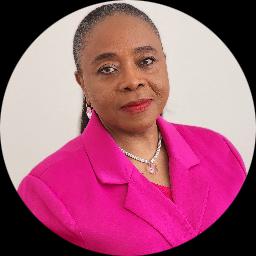
About Folashade
Folashade Olatunbosun is a Licensed Clinical Social Worker (LCSW) practicing in Illinois with 19 years of experience. She helps people who are dealing with relationship problems, family conflict, low self-esteem, depression, and life changes. She speaks English and Yoruba.
Her work focuses on practical conversations and clear goals. Sessions typically look at patterns in relationships, how self-worth affects choices, and ways to cope with long low periods or sudden change. She uses everyday language and keeps sessions straightforward so people can apply what they talk about between meetings.
Folashade draws on evidence-based therapeutic techniques to address mood-related issues and relationship stress. She helps clients break down problems into manageable steps, practice new ways of communicating, and build routines that support steadier moods. She also addresses related concerns such as isolation, social anxiety, workplace strain, and issues tied to separation or divorce.
Her background includes nearly two decades of clinical work in Illinois as an LCSW. That experience has included helping people who want clearer boundaries, better communication, or more consistency in how they feel day to day. Sessions move at a pace set by the client and focus on skills that can be used outside the therapy hour.
To begin a session people complete a short matching questionnaire and schedule a first meeting. Costs vary by location and sessions are provided through a subscription that can be canceled at any time.
Therapeutic approaches and online sessions
Folashade uses evidence-based therapeutic techniques to address mood and relationship concerns. One common approach focuses on identifying unhelpful thinking and testing it against real-life evidence to reduce persistent low mood and self-criticism. This helps with depression and negative self-image by teaching practical ways to reframe thoughts and try new behaviors.Another approach emphasizes behavioral changes and routine building to stabilize mood. This kind of work breaks tasks into small steps, sets realistic activity goals, and tracks changes in mood over time to create more predictable days. It is useful for people who feel stuck or struggle with motivation.
Choosing the right approach is part of the work with the therapist. Folashade will discuss options and make decisions together based on the client’s goals, preferences, and the problems they bring to sessions. The plan can be adjusted as progress is reviewed.
The original biography does not specify which session formats are available, so confirm current options before booking. Online sessions can make it easier to fit meetings into a busy week, reduce travel time, and allow for shorter check-ins when schedules require them. Licensed professionals can offer a mix of session lengths and times to match everyday life needs.
Areas of expertise
Primary focus
Additional focus areas
Experience
19+ years
Credentials
Illinois
Languages
English, Yoruba
Frequently asked questions
What concerns does she address?
She works with relationship problems, family conflict, low self-esteem, depression, and coping with life changes, plus related issues like isolation and workplace stress.
What is her therapy style?
Sessions are practical and goal-oriented, focusing on clear steps, communication skills, and routines to manage mood and stress.
How much experience does she have?
She has 19 years of professional experience as a clinician working with mood and relationship concerns.
What are her credentials and location?
She holds an LCSW and practices in Illinois.
Which languages are supported?
Sessions are offered in English and Yoruba.
What session formats are offered?
The original biography does not list session formats; confirm current session options before booking.
How does pricing work?
Costs vary with location and sessions use a subscription model that can be canceled at any time.
How do I get started?
Select the See online therapy options button, complete a short matching questionnaire, and schedule a first session.
Before you reach out
- Check that the state license on record covers the state you live in.
- You do not need a diagnosis or the right words. Saying "my mood has been up and down" or "I have felt low for weeks" is a fine place to start.
- Counselors offer talking support. Questions about medication belong with a doctor or psychiatrist, and the two can go side by side.
- A profile shows the topics a counselor lists; it is not a diagnosis or a promise of any result.
If you feel unsafe right now, call or text 988, or call 911.