- Anxiety and depression
- Trauma and abuse
- CBT and motivational tools
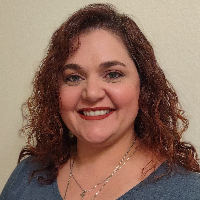
About Gina
Gina Cardines is a Licensed Professional Counselor (LPC) in Texas and a Licensed Mental Health Counselor (LMHC) in Florida with seven years as a licensed therapist. She works with adults facing mood concerns such as anxiety, depression, bipolar mood patterns, and stress. She also supports people dealing with trauma, substance use, self-esteem struggles, grief, and parenting-related strain.
Gina draws on a mix of practical methods in sessions. She often uses cognitive-behavioral ideas to look at thinking patterns and actions. Motivational Interviewing is part of her approach when people want help with change, especially around substance use or behavior targets.
She also uses client-centered principles and narrative and solution-focused strategies to help people tell their story differently and pick small, achievable steps. Sessions combine listening and direct feedback so people can try new ways of coping between meetings. Gina aims to be straightforward while encouraging honest expression and problem solving.
Her background includes work with survivors of trauma, intimate partner violence, and human trafficking, and experience with first responder issues. She has practiced in Texas and Florida settings and brings seven years of licensed clinical work alongside earlier mental health roles. Her experience shapes a practical, goal-oriented approach for people trying to manage mood swings, long low periods, or feeling up and down.
To begin, people are invited to complete a short matching questionnaire and schedule a first session. The counselor uses a subscription model for sessions that can be canceled at any time, and session cost varies by location.
How her approaches translate to online sessions
Gina commonly blends cognitive behavioral techniques and motivational interviewing in online work. Cognitive behavioral methods focus on identifying unhelpful thoughts and testing small behavior changes to reduce low mood or anxiety. Motivational interviewing supports people who want to change substance use or other behaviors by exploring values and building personal motivation.She also draws on client-centered and narrative ideas to help people tell their experiences in a different way and to find practical next steps. Establishing which mix of approaches fits best is collaborative. The therapist will work with the client to choose methods that match their goals, preferences, and immediate needs.
The biography states she offers video, phone, and chat sessions. Confirm the current session options before booking so they match your circumstances. Remote sessions can make it easier to fit therapy into a busy life, allow shorter check-ins when needed, and remove travel time so appointments are simpler to attend.
Areas of expertise
Primary focus
Also works with
Additional focus areas
Therapeutic approaches
Experience
7+ years
Credentials
Texas, Florida
Languages
English
Frequently asked questions
What concerns does she address?
She works with stress, anxiety, depression, bipolar mood patterns, trauma and abuse, substance use, self-esteem, grief, parenting strain, ADHD, and related issues.
What methods does she use in sessions?
She uses client-centered techniques alongside cognitive behavioral approaches, motivational interviewing, narrative therapy, and solution-focused strategies.
How much clinical experience does she have?
She has seven years as a licensed therapist and over 20 years working in the mental health field in various roles.
What are her credentials and location?
She holds LPC and LMHC credentials and practices in Texas with licensure in Texas and Florida as noted.
Which languages are supported?
Sessions are offered in English.
Can people from other countries work with her?
She does not accept international clients at this time.
How are sessions paid for and what do they cost?
Session cost varies by location and services use a subscription model that can be canceled at any time.
How do I begin a first session?
Choose the See online therapy options button, complete a short matching questionnaire, and schedule a first session.
Before you reach out
- Check that the state license on record covers the state you live in.
- You do not need a diagnosis or the right words. Saying "my mood has been up and down" or "I have felt low for weeks" is a fine place to start.
- Counselors offer talking support. Questions about medication belong with a doctor or psychiatrist, and the two can go side by side.
- A profile shows the topics a counselor lists; it is not a diagnosis or a promise of any result.
If you feel unsafe right now, call or text 988, or call 911.