- Mood disorders
- Trauma and abuse
- Emotion regulation
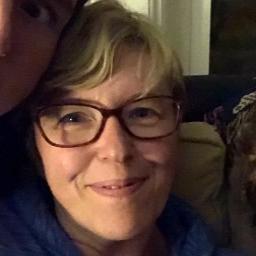
About Glenda
Glenda Brauneis is a Licensed Clinical Professional Counselor (LCPC) practicing in Montana with five years of experience. She works with people facing mood instability, low self-esteem, anxiety, trauma histories, and questions about identity, including LGBT concerns and mood disorders.
Glenda uses several practical approaches to help clients manage difficult feelings and reactions. Sessions focus on clear goals, skills practice, and talking through patterns that keep problems going. She draws on cognitive behavioral techniques to shift unhelpful thoughts and on dialectical behavior methods to teach emotion regulation and distress tolerance.
Attachment-based ideas guide work on relationships and past hurts. EMDR is also part of her toolkit for people who have traumatic memories that keep replaying. She blends methods to match what a person needs in the moment rather than using one fixed style.
People can expect straightforward, skills-focused work alongside space to process painful experiences. Glenda also addresses practical life challenges such as parenting stress, caregiver strain, impulsivity, and communication problems. She helps with specific concerns like eating issues, self-harm thoughts, bipolar and other mood-related patterns.
Her background includes a Bachelor of Psychology and a Master of Science in Rehabilitation and Mental Health Counseling from Montana State University Billings. The MS prepared her for clinical work with adults who struggle with mood, trauma, and relationship issues.
To begin, she asks people to name a few immediate goals so sessions can be focused and useful from the start.
How Glenda’s approaches work in online sessions
Glenda combines cognitive behavioral therapy and attachment-based work to address mood and relationship patterns. CBT focuses on spotting and changing unhelpful thoughts and practicing new behaviors to reduce low mood and anxiety. Attachment-based work looks at how early relationship experiences shape current reactions and helps people shift how they relate to others.She approaches treatment collaboratively - clients and the therapist decide together which methods to try. That means experimenting with skills, talking through painful memories, and checking in about what helps and what does not. Finding the right mix of tools is part of the work itself and can change over time.
The biography does not list specific session formats, so confirm the current online options before booking. Online sessions can make it easier to fit therapy into a busy day, reduce travel time, and allow for shorter check-ins when needed. They also let people continue work on emotion regulation, coping skills, and trauma processing from wherever they are located, while the therapist and client agree on pace and technique.
Areas of expertise
Primary focus
Also works with
Additional focus areas
Therapeutic approaches
Experience
5+ years
Credentials
Montana
Languages
English
Frequently asked questions
What concerns does she address?
She works with mood instability, depression, bipolar patterns, anxiety, trauma, LGBT identity questions, and related issues such as self-harm and eating concerns.
What methods does she use in sessions?
She uses a mix of approaches including cognitive behavioral therapy, dialectical behavior therapy, attachment-based work, and EMDR when appropriate.
How much clinical experience does she have?
She has five years of clinical experience working with adults on mood, trauma, and identity-related concerns.
What are her credentials and location?
She holds the credential LCPC and practices in Montana.
In which language are sessions offered?
Sessions are offered in English and she accepts international clients.
What session formats are available?
The original biography does not list session formats; please confirm current session options before booking.
How is cost handled?
Cost varies with location and sessions use a subscription that can be canceled at any time.
How do I get started?
Click the See online therapy options button, complete a short matching questionnaire, and schedule a first session.
Before you reach out
- Check that the state license on record covers the state you live in.
- You do not need a diagnosis or the right words. Saying "my mood has been up and down" or "I have felt low for weeks" is a fine place to start.
- Counselors offer talking support. Questions about medication belong with a doctor or psychiatrist, and the two can go side by side.
- A profile shows the topics a counselor lists; it is not a diagnosis or a promise of any result.
If you feel unsafe right now, call or text 988, or call 911.