- Stress and anxiety
- Trauma and abuse
- Family dynamics
About Hajra
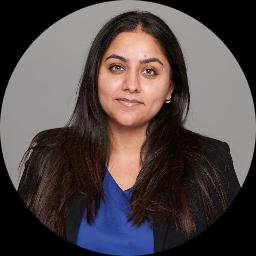
Hajra Munir is a Licensed Mental Health Counselor (LMHC) in New York with four years of clinical experience. She works with people dealing with stress, anxiety, relationship and family concerns, trauma and abuse, and issues with self-esteem. Hajra speaks English and Urdu and offers care that recognizes cultural background and identity.
She often supports young adults and others who are questioning identity, self-worth, or life direction. Common topics she addresses include social anxiety, panic, mood challenges, attachment patterns, codependency, and family dynamics. She also focuses on grief, loss, forgiveness, and the emotional effects of past hurts, including sexual assault and abuse.
In sessions she uses a collaborative approach that combines listening with practical skill-building. People can expect to talk through patterns, learn coping strategies for intense feelings, and practice communication skills for strained relationships. Hajra aims to help clients notice how past experiences affect current behavior and feelings.
Her work pays attention to cultural context and personal identity. That means conversations include how background, migration, and family expectations shape stress and mood. When relevant, she addresses immigration issues and caregiver-related stress alongside emotional concerns.
Clients are guided to set clear goals and try small, manageable steps between sessions. Costs vary by location and sessions use a subscription that can be canceled at any time. To begin, a person completes a short matching questionnaire and schedules a first session via the See online therapy options button.
How evidence-based techniques translate to online work
Hajra uses evidence-based therapeutic techniques to help with mood and relationship concerns. One approach she relies on teaches concrete coping skills for anxiety and panic, such as breathing and grounding practices, and helps people manage sudden spikes in distress. Another approach focuses on understanding attachment patterns and relationship behavior, helping clients see how early relationships influence current reactions and communication.Choosing the right approach is collaborative. She will discuss options with each client and adapt methods to the person's goals, cultural background, and comfort level. Together they monitor what helps and adjust the plan over time to focus on practical change.
Confirm available session formats before booking since the biography does not list specific options. Online work can make it easier to fit therapy into a busy week, shorten travel time, and allow sessions during a lunch break or between errands. Some formats also let people have a shorter check-in when they need it or reduce the need to be on camera. Ask during the matching process which session types are currently offered.
Areas of expertise
Primary focus
Additional focus areas
Experience
4+ years
Credentials
New York
Languages
English, Urdu
Frequently asked questions
What kinds of problems does she address?
She works with stress, anxiety, relationship and family concerns, trauma and abuse, and self-esteem problems. Additional topics include attachment, codependency, grief, and immigration issues.
What is her therapeutic style?
She uses a collaborative, culturally responsive approach that combines listening with practical skill-building. Sessions focus on noticing patterns and trying concrete coping strategies.
How much clinical experience does she have?
She has four years of experience as a practicing clinician in mental health settings.
What are her credentials and where does she practice?
She is an LMHC licensed in New York and practices with clients based in that state.
Which languages are supported in sessions?
Sessions are offered in English and Urdu.
Can international clients work with her?
International clients are not currently accepted.
How are costs handled?
Cost varies with location and sessions operate through a subscription model that can be canceled at any time.
How do I start a first session?
Use the See online therapy options button, complete a short matching questionnaire, and then schedule your first session.
Before you reach out
- Check that the state license on record covers the state you live in.
- You do not need a diagnosis or the right words. Saying "my mood has been up and down" or "I have felt low for weeks" is a fine place to start.
- Counselors offer talking support. Questions about medication belong with a doctor or psychiatrist, and the two can go side by side.
- A profile shows the topics a counselor lists; it is not a diagnosis or a promise of any result.
If you feel unsafe right now, call or text 988, or call 911.