- Depression and anxiety
- Identity exploration
- Practical skills
About Hope
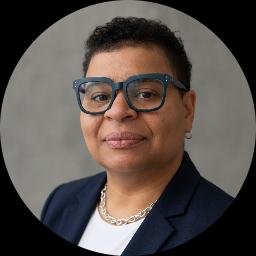
Hope Striving is an Ohio LPCC with 16 years of experience helping people manage depression, anxiety, stress, and related concerns. They work with LGBTQ people on identity questions and healing from trauma, and with others facing grief, ADHD, isolation, or shifts in life purpose.
Hope focuses on practical, evidence-based techniques that people can use between sessions. Conversations are straightforward and goal-oriented. Sessions often include skill building for mood regulation, coping with panic or intrusive thoughts, and improving communication.
They also offer support around chronic illness, pain, and the strains that come with aging or midlife change. For people processing divorce, separation, or forgiveness, Hope helps sort priorities and reduce overwhelm.
The practice blends person-centered and trauma-informed perspectives, aiming to validate experience while working on concrete steps forward. Hope tends to break larger problems into manageable pieces and track small gains over time.
People who value direct feedback and clear tools tend to do well in this approach. Hope asks about strengths, routines, and barriers, then works collaboratively to set short-term goals and practical next steps.
How Hope uses evidence-based techniques in online sessions
Hope draws on evidence-based therapeutic techniques that focus on clear skills and practical change. One approach emphasizes behavioral strategies for mood and activity scheduling; it helps with depression by structuring small, manageable steps to increase meaningful activity and improve routine. Another approach targets anxiety and intrusive thoughts with focused coping skills such as breathing, grounding, and gradual exposure to feared situations to reduce avoidance and reactivity.Choosing the right approach is a joint process. Hope reviews symptoms, goals, and daily routines together and adjusts methods as needed. The emphasis is on collaboration so the plan matches what a person can realistically practice between sessions.
Confirm the current session formats before booking, as the biography does not list specific options. Online sessions can make it easier to fit therapy into a busy day by removing travel time and by offering shorter check-ins when needed. They also allow sessions during work breaks or after hours for people who have limited free time. Hope aims to help people use therapy tools in everyday life, whatever the session format agreed on.
Areas of expertise
Primary focus
Additional focus areas
Experience
16+ years
Credentials
Ohio
Languages
English
Frequently asked questions
What concerns does Hope commonly address?
Hope works with depression, anxiety, stress, grief, ADHD, mood disorders, and LGBT identity questions, plus related issues like isolation and communication problems.
What is Hope’s therapeutic style?
Hope uses person-centered and trauma-informed approaches and focuses on evidence-based techniques to teach practical coping skills and mood regulation strategies.
How much experience does Hope have?
Hope has 16 years of clinical experience supporting adults through life transitions, identity work, and mood concerns.
What credentials and location are listed?
Hope holds the LPCC credential and practices in Ohio.
Are sessions available in other languages?
Sessions are offered in English.
Can international clients work with Hope?
International clients are not currently accepted.
How are sessions paid for?
Cost varies with location and sessions use a subscription model that can be canceled at any time.
How do I begin with Hope?
Click the See online therapy options button, complete a short matching questionnaire, and schedule a first session.
Before you reach out
- Check that the state license on record covers the state you live in.
- You do not need a diagnosis or the right words. Saying "my mood has been up and down" or "I have felt low for weeks" is a fine place to start.
- Counselors offer talking support. Questions about medication belong with a doctor or psychiatrist, and the two can go side by side.
- A profile shows the topics a counselor lists; it is not a diagnosis or a promise of any result.
If you feel unsafe right now, call or text 988, or call 911.