- CBT techniques
- DBT skills
- Grief focus
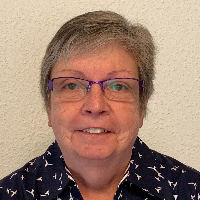
About Jeanette
Jeanette "Jan" Kaschmitter is a Licensed Mental Health Counselor (LMHC) in Washington with 25 years of practice. She works with adults on stress, anxiety, depression, grief, trauma and related concerns such as addiction and bipolar symptoms. Jan also addresses relationship and intimacy issues, parenting strain, caregiver stress, and challenges that come with life transitions.
She spent many years in integrated mental health and substance use settings and has experience in community mental health, inpatient psychiatry, and a tribal clinic. That background means she has worked with a wide range of life challenges and co-occurring issues. Jan has provided individual, couples, and group counseling for primarily adult clients.
Her methods draw from several models. She commonly uses Cognitive Behavioral Therapy (CBT) to look at thinking patterns and Dialectical Behavior Therapy (DBT) skills for emotional regulation. She also applies Motivational Interviewing techniques and Solution-Focused ideas when a focused plan helps move someone forward.
Jan has additional training in grief and loss, trauma and sexual abuse, and co-occurring disorders. She is explicit that she is not credentialed in substance use, though she has substantial experience working in substance use programs. Her approach is practical and responsive to the issues people bring.
People working with low mood or frequent mood swings can expect clear discussion of goals and coping strategies. Sessions tend to emphasize skills practice, short-term planning, and screening for overlapping concerns such as caregiver strain or relationship stress.
How Jan’s approaches translate to online work
Jan commonly uses Cognitive Behavioral Therapy (CBT) to identify and change unhelpful thinking and behavior patterns; CBT often focuses on small, practical steps to reduce low mood and anxiety. She also uses Dialectical Behavior Therapy (DBT) skills for emotion regulation and distress tolerance, which can help with mood swings and intense emotions. Motivational Interviewing is used when a person needs help finding the drive to change habits or address addictions.Choosing the best approach is a collaborative process. Jan will talk with each person about goals, preferences, and what feels useful. Together they decide which methods and skills to prioritize and how to practice them between sessions.
The practical benefits of online work include easier fitting of sessions into daily life, shorter check-ins when time is limited, and options that may reduce travel time. The therapist’s session formats are not specified here, so confirm the current session options before booking. Online sessions can still focus on skill practice, behavioral experiments, and planning that link directly back to real life activities.
Areas of expertise
Also works with
Additional focus areas
Therapeutic approaches
Experience
25+ years
Credentials
Washington
Languages
English
Frequently asked questions
What concerns does she address?
She works with stress, anxiety, depression, grief, trauma, addictions, bipolar-related concerns, relationship and parenting issues among adults.
What is her therapeutic style?
Jan uses an eclectic, client-centered approach drawing from CBT, DBT, Motivational Interviewing, and Solution-Focused ideas to build practical skills.
How much experience does she have?
She has 25 years of professional experience, including work in integrated mental health and substance use programs, inpatient psychiatry, and a tribal clinic.
What are her credentials and where does she practice?
She is a Licensed Mental Health Counselor (LMHC) licensed in Washington and practices in that state.
Which languages are supported?
Sessions are offered in English.
Does she work with international clients?
She does not accept international clients at this time.
How are sessions billed?
Cost varies with location and sessions use a subscription model that can be canceled at any time.
What should I do to begin?
Select the See online therapy options button, complete a short matching questionnaire, and then schedule a first session.
Before you reach out
- Check that the state license on record covers the state you live in.
- You do not need a diagnosis or the right words. Saying "my mood has been up and down" or "I have felt low for weeks" is a fine place to start.
- Counselors offer talking support. Questions about medication belong with a doctor or psychiatrist, and the two can go side by side.
- A profile shows the topics a counselor lists; it is not a diagnosis or a promise of any result.
If you feel unsafe right now, call or text 988, or call 911.