- Stress and anxiety
- Depression and bipolar
- Relationship work
About Jane
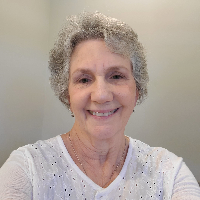
Jane Fortune is a Licensed Professional Counselor (LPC) in South Carolina with 20 years of experience. She works with people dealing with stress, anxiety, depression, relationship struggles, trauma, sleeping problems, addiction, grief, and mood concerns including bipolar. Jane uses a mix of practical therapies to help clients manage day-to-day symptoms and make clearer choices.
She began her clinical career working directly with families, couples, and individuals before moving into independent practice over a decade ago. That hands-on work shaped how she meets people now. She combines talking, practical exercises, and structured tools during sessions to help with mood, coping skills, and problem solving.
Jane draws on approaches such as cognitive behavioral methods, acceptance strategies, attachment-focused work, emotionally-focused techniques, and client-centered care. These methods guide how she responds to relationship patterns, intense emotions, and persistent low mood. Sessions typically involve setting goals, noticing patterns, and trying small changes between meetings.
Her past training includes multi-level work with relationship methods and long experience in outpatient settings. Jane also names caregiving stress, chronic illness, adoption and foster care topics, and issues around abandonment and attachment among areas she addresses. That breadth of experience informs how she discusses practical steps with clients.
She offers straightforward, conversational sessions aimed at helping people reduce overwhelm and regain clearer daily functioning. To begin, readers are encouraged to use the site button to view online therapy options and complete the brief matching questionnaire before scheduling a first session.
How Jane Uses Therapy Approaches in Online Sessions
Jane uses cognitive behavioral therapy to help people spot unhelpful thoughts and try small behavior changes that can ease low mood and anxiety. CBT is practical and often focuses on changing patterns that keep problems going.She also uses Acceptance and Commitment Therapy (ACT) to help people notice difficult feelings without getting stuck in them. ACT supports choosing actions that match personal values even when emotions are uncomfortable. Attachment-Based Therapy is another part of her work; it looks at how early relationship patterns affect current connections and reactions, which can be useful for relationship and intimacy concerns.
Finding the right approach is part of the work together. Jane will talk with clients about their goals, what has or hasn’t helped before, and then suggest approaches to try. The plan is adjusted over time based on what feels most useful and practical for the person.
Please confirm available session formats before booking, as the profile does not list specific formats. Many people value online options because they can fit sessions into a workday, avoid travel time, or choose a shorter phone check-in when needed. Discussing preferred ways to meet is part of the first scheduling steps so sessions can fit everyday life.
Areas of expertise
Primary focus
Also works with
Additional focus areas
Therapeutic approaches
Experience
20+ years
Credentials
South Carolina
Languages
English
Frequently asked questions
What concerns does she address?
She works with stress, anxiety, depression, sleep problems, relationship issues, trauma, addictions, grief, and mood disorders including bipolar.
What is her therapeutic approach?
She combines cognitive behavioral strategies, acceptance-based ideas, attachment-focused work, emotionally-focused techniques, and client-centered methods to help people manage emotions and relationships.
How much experience does she have?
She has 20 years of counseling experience, including over a decade in independent practice and earlier work with families, couples, and individuals.
What are her credentials and where is she located?
She is a Licensed Professional Counselor (LPC) licensed in South Carolina and practices from that state.
What languages are supported?
Sessions are offered in English.
Does she work with international clients?
She does not accept international clients at this time.
How are sessions arranged and what does cost look like?
Session cost varies with location and uses a subscription model that can be canceled at any time.
How do I begin a first session?
Use the site button to see online therapy options, complete the short matching questionnaire, and then schedule a first session.
Before you reach out
- Check that the state license on record covers the state you live in.
- You do not need a diagnosis or the right words. Saying "my mood has been up and down" or "I have felt low for weeks" is a fine place to start.
- Counselors offer talking support. Questions about medication belong with a doctor or psychiatrist, and the two can go side by side.
- A profile shows the topics a counselor lists; it is not a diagnosis or a promise of any result.
If you feel unsafe right now, call or text 988, or call 911.