- Depression and anxiety
- Trauma and grief
- Mindfulness and CBT
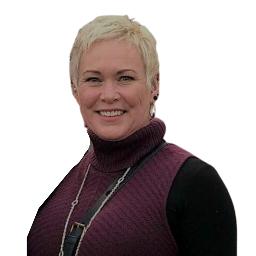
About Jennifer
Jennifer Lee Sylvester is a Licensed Clinical Social Worker (LCSW) in Texas with 36 years of experience. She works with people dealing with depression, anxiety, mood swings, trauma and relationship problems. She also helps with stress, grief, addiction concerns, parenting difficulties, and issues around identity and intimacy.
Her style is client-centered and interactive. Conversations are practical and focused on what the person wants to change. She adapts her approach as needed and combines tools from several therapy models rather than relying on one single method.
Jennifer often uses mindfulness exercises and cognitive-behavioral techniques to help people notice unhelpful thoughts and try different behaviors. She also draws on emotionally-focused and psychodynamic ideas to look at feelings and patterns that repeat over time. Sessions aim to be straightforward and work-oriented, with room to talk about painful events when that is helpful.
She has long experience supporting people after trauma, including physical, sexual, and emotional abuse. Jennifer also helps with life transitions such as divorce, aging, adoption and foster care issues, and career changes. People struggling with sleep, eating, attention, or addictive behaviors are within her stated focus areas.
Her practice emphasizes respect and sensitivity in session. If technology or power problems occur, she notes these can sometimes disrupt scheduled meetings and asks clients to be aware of that possibility. To begin, prospective clients are asked to use the site process to match and schedule an initial appointment.
How her approaches translate to online work
Client-Centered Therapy emphasizes listening and working from the client's priorities. Online sessions focus on what the person wants to change and adapt the conversation to their goals. Cognitive Behavioral Therapy (CBT) involves identifying unhelpful thoughts and trying simple behavioral experiments. Online CBT sessions often include brief exercises and homework that are easy to practice between meetings.Finding the right approach is part of the process. The therapist will discuss options and decide together which methods fit the client's needs, goals, and preferences. That collaborative plan can change as progress is made and as life circumstances shift.
Because the exact session formats are not listed in the biography, confirm the current online session options before booking. In general, online work makes it easier to fit therapy into busy schedules, allows shorter check-ins when needed, and can use audio-only or video formats depending on what works best for the person. Practical considerations such as quieter surroundings, lower bandwidth needs, or fitting a session into a work break are often why people choose online appointments.
Areas of expertise
Also works with
Additional focus areas
Therapeutic approaches
Experience
36+ years
Credentials
Texas
Languages
English
Frequently asked questions
What concerns does she address?
She works with depression, anxiety, mood swings, trauma and relationship and family issues, plus related concerns such as grief, addiction, sleep and eating problems.
What is her therapeutic approach like?
Her style is client-centered and interactive. She mixes methods like CBT, mindfulness, emotionally-focused and psychodynamic ideas to suit each person's needs.
How much experience does she have?
She has 36 years of experience as a Licensed Clinical Social Worker working with a wide range of issues including trauma and mood concerns.
Where is she based and what credential does she hold?
She practices in Texas and holds the LCSW credential, noted as TX LCSW.
Which languages are sessions offered in?
Sessions are offered in English.
Can international clients work with her?
International clients are not currently accepted.
How are sessions scheduled and what does it cost?
Cost varies with location and sessions use a subscription that can be canceled at any time.
How do I begin a first session?
Choose the See online therapy options button, complete a short matching questionnaire, and schedule your first session through the site.
Before you reach out
- Check that the state license on record covers the state you live in.
- You do not need a diagnosis or the right words. Saying "my mood has been up and down" or "I have felt low for weeks" is a fine place to start.
- Counselors offer talking support. Questions about medication belong with a doctor or psychiatrist, and the two can go side by side.
- A profile shows the topics a counselor lists; it is not a diagnosis or a promise of any result.
If you feel unsafe right now, call or text 988, or call 911.