- Depression and anxiety
- Trauma and EMDR
- Relationship communication
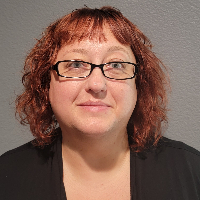
About Jolene
Dr. Jolene Des Roches is an LPC - Licensed Professional Counselor in Texas with 15 years of clinical experience. She works with people dealing with depression, anxiety, trauma, mood swings, relationship strain, and LGBTQ concerns. Her practice addresses a wide range of everyday struggles including sleep and eating problems, grief, and career stress.
She uses a person-centered approach that focuses on what matters to the individual. Sessions often include practical skills from cognitive behavioral therapy to help change unhelpful thoughts and behaviors. Dialectical behavior therapy skills are used when emotional regulation and strong reactions are getting in the way of daily life.
EMDR is part of her toolkit when traumatic memories are causing ongoing distress. The Gottman Method is used for people who want to work on communication patterns and relationship problems. These approaches are used alongside conversation and planning so clients can try things between sessions.
Dr. Des Roches also pays attention to attachment history, adoption and foster care issues, autism spectrum experiences, and identity-related concerns such as gender and sexual orientation. She can help people work through shame, control dynamics, and patterns that repeat in relationships.
Her work includes practical strategies for managing panic, mood instability, anger, and attention challenges. She supports people coping with chronic pain, parenting demands, blended family challenges, and transitions like divorce or returning to work. To begin, prospective clients follow the practice's intake steps to match and schedule a first session.
How her approaches are used in online sessions
Dr. Des Roches uses cognitive behavioral therapy to help people identify and change patterns of thinking and behavior that feed low mood and anxiety. CBT sessions often include homework exercises and simple experiments to try between meetings. She also uses EMDR when trauma memories are a clear source of ongoing distress; EMDR focuses on processing specific upsetting memories to reduce their impact.Finding the best approach is a collaborative process. The therapist will discuss goals, preferences, and how symptoms show up in daily life to decide which methods to try first. That conversation can include combining talk-based work with skills training or trauma-focused techniques depending on what feels most useful.
Confirm current session options before booking, as formats are not specified in the profile. Online work can help fit therapy into a busy life by reducing travel time, making it easier to schedule brief check-ins or regular hour-long sessions, and allowing people to attend from quieter surroundings. The focus is on practical ways to make therapy part of everyday routines while tailoring the approach to the client's needs.
Areas of expertise
Primary focus
Also works with
Additional focus areas
Therapeutic approaches
Experience
15+ years
Credentials
Texas
Languages
English
Frequently asked questions
What kinds of concerns does she address?
She works with depression, anxiety, trauma, mood swings, relationship issues, and LGBT related concerns among many other areas listed in her profile.
What is her therapeutic style?
She practices from a person-centered perspective and combines talk therapy with specific skills-based approaches like CBT and DBT.
How much experience does she have?
She has 15 years of clinical experience as a Licensed Professional Counselor.
Where is she licensed and based?
She is an LPC licensed in Texas and practices from that state.
In what language are sessions offered?
Sessions are offered in English.
Does she work with international clients?
She does not accept international clients at this time.
How are sessions scheduled and paid for?
Session cost varies with location and uses a subscription model that can be canceled at any time.
How do I get started with her practice?
Select the See online therapy options button, complete a short matching questionnaire, and schedule a first session.
Before you reach out
- Check that the state license on record covers the state you live in.
- You do not need a diagnosis or the right words. Saying "my mood has been up and down" or "I have felt low for weeks" is a fine place to start.
- Counselors offer talking support. Questions about medication belong with a doctor or psychiatrist, and the two can go side by side.
- A profile shows the topics a counselor lists; it is not a diagnosis or a promise of any result.
If you feel unsafe right now, call or text 988, or call 911.