- CBT techniques
- Trauma-focused work
- Solution-focused steps
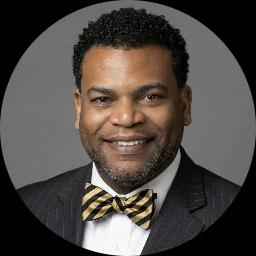
About Jye
Jye Breckenridge is a Licensed Independent Social Worker (LISW) and a Licensed Clinical Social Worker (LCSW) with 21 years of experience in Ohio. He works with people facing stress, anxiety, trauma and abuse, grief, depression, and the challenges of coping with life changes. He also addresses mood conditions like bipolar disorder and ADHD-related struggles, along with relationship and intimacy-related issues.
He often begins by helping people put words to feelings that can be hard to name. Early sessions focus on understanding past relationships and experiences that shape current patterns. From there he and the client set practical goals and identify small steps that can ease day-to-day strain.
His approach mixes techniques you may recognize from Cognitive Behavioral Therapy and Solution-Focused Therapy with longer-term Psychodynamic work. Trauma-focused methods are used when past hurt continues to affect present functioning. Motivational Interviewing helps clarify values and keep momentum toward change.
Sessions are offered in 30 or 45 minute lengths, scheduled at a frequency that fits the person’s needs. The first meeting is treated as an assessment and a chance to see how comfortable someone feels with him as a clinician. Later meetings concentrate on building insight and practical tools to handle problems more effectively.
People reach out for help with issues such as parenting concerns, anger, self-esteem, body image, abandonment, infidelity, first responder stress, and the aftermath of domestic violence. The work combines direct skill-building with attention to how past experiences influence current choices.
How Jye brings therapeutic approaches to online work
Jye uses Cognitive Behavioral Therapy and Trauma-Focused Therapy alongside Motivational Interviewing to guide online sessions. CBT focuses on identifying unhelpful thoughts and testing small behavioral changes to reduce low mood and anxiety. Trauma-Focused Therapy addresses past painful events and their ongoing effects on mood and relationships. Motivational Interviewing helps clarify goals and strengthen motivation for making changes.Finding the right combination of approaches is part of the work. Jye collaborates with each person to decide which methods fit their goals and preferences. Together they review what feels useful and adjust the plan as progress and needs change.
Session logistics should be confirmed before booking since formats are not specified here. Online work can make therapy easier to fit into a busy schedule, allow shorter check-ins, or avoid travel time. Talk with him during the first meeting about session length, frequency, and practical arrangements so sessions can be arranged to fit everyday life.
Areas of expertise
Also works with
Additional focus areas
Therapeutic approaches
Experience
21+ years
Credentials
Ohio, Connecticut
Languages
English
Frequently asked questions
What concerns does he work with?
He works with stress, anxiety, depression, grief, trauma and abuse, bipolar issues, ADHD, relationship and intimacy-related problems, and related concerns such as anger or self-esteem.
What is his therapeutic style?
He uses a mix of Cognitive Behavioral Therapy, Psychodynamic approaches, Solution-Focused work, Motivational Interviewing, and Trauma-Focused Therapy to match the client’s needs.
How much experience does he have?
He has 21 years of clinical experience working with adults on mood, relationship, and trauma-related concerns.
What are his credentials and location?
He holds LISW and LCSW credentials and practices in Ohio.
Which languages are supported?
Sessions are offered in English only.
Does he take international clients?
International clients are not currently accepted.
How do sessions work and what do they cost?
Sessions are offered in 30 or 45 minute lengths. Cost varies with location and uses a subscription that can be canceled at any time.
How do I get started?
Select the See online therapy options button, complete a short matching questionnaire, and schedule a first session to begin.
Before you reach out
- Check that the state license on record covers the state you live in.
- You do not need a diagnosis or the right words. Saying "my mood has been up and down" or "I have felt low for weeks" is a fine place to start.
- Counselors offer talking support. Questions about medication belong with a doctor or psychiatrist, and the two can go side by side.
- A profile shows the topics a counselor lists; it is not a diagnosis or a promise of any result.
If you feel unsafe right now, call or text 988, or call 911.