- Depression and anxiety
- Trauma and grief
- Client-centered listening
About Karen
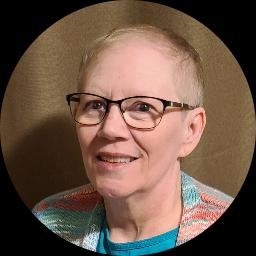
Karen Morris is a Licensed Clinical Social Worker (LCSW) based in Indiana with 37 years of clinical experience. She works with people who are struggling with low mood, anxiety, stress, relationship problems, grief, trauma and abuse, bipolar concerns, and issues related to self-esteem and identity.
She notices how early life wounds can shape coping habits. Those habits can become unhelpful patterns, including withdrawal, people-pleasing, work problems, and behaviors that numb difficult feelings. In sessions she listens closely to both what is said and what lies beneath the words.
Her approach mixes client-centered listening with narrative and psychodynamic ideas. That means she pays attention to personal stories and recurring patterns. She also uses solution-focused work to identify immediate, practical steps people can try between sessions.
People who meet with her can expect direct conversation, occasional humor, and cultural references woven into the talk. She uses plain language and aims to point out patterns that may feel invisible to the client. Sessions emphasize understanding what keeps a problem going and small changes that can reduce its impact.
Her background supports work with a wide range of life challenges from grief and caregiving stress to intimacy and identity concerns. She also assists people facing career strain, compassion fatigue, and the ripple effects of family of origin issues. To begin, clients are asked to complete a short matching questionnaire and schedule a first session.
How her therapeutic approaches work in online sessions
Client-Centered Therapy focuses on listening and reflecting what matters to the person. It helps people who need a steady, validating place to talk about mood swings, low periods, and relationship strain. Narrative Therapy looks at the stories people tell about themselves and their lives. It helps separate a person from a problem so they can see options and rewrite difficult patterns.Finding the right approach is part of the work together. The therapist will discuss goals, try approaches, and adjust methods based on what the client prefers and what seems most helpful. This is a collaborative process where the client’s feedback guides the plan for sessions.
Practical benefits of online therapy can include fitting sessions into a busy week and reducing travel time. Online sessions can make it easier to keep short check-ins between office visits and to arrange appointments around work or caregiving duties. The biography does not list specific session formats here, so confirm current session options before booking to know whether video or phone sessions are offered.
Areas of expertise
Primary focus
Also works with
Additional focus areas
Therapeutic approaches
Experience
37+ years
Credentials
Indiana
Languages
English
Frequently asked questions
What kinds of concerns does she address?
She works with stress, anxiety, depression, bipolar-related concerns, trauma and abuse, grief, relationship and intimacy issues, LGBT issues, self-esteem and related life changes.
What methods does she use in sessions?
Her work draws on Client-Centered Therapy, Narrative Therapy, Psychodynamic Therapy, and Solution-Focused Therapy to listen for patterns and try practical steps.
How much clinical experience does she have?
She has 37 years of experience as a clinician and has worked with long-term patterns that often begin in childhood.
What credential does she hold and where is she located?
She is a Licensed Clinical Social Worker (LCSW) practicing in Indiana.
In what language are sessions offered?
Sessions are offered in English and international clients are not accepted at this time.
What session formats are available?
Confirm current session options before booking, as the original biography does not specify which session formats are provided.
How much do sessions cost?
Cost varies with location and sessions use a subscription that can be canceled at any time.
How do I get started with her?
Select the See online therapy options button, complete a short matching questionnaire, and then schedule your first session.
Before you reach out
- Check that the state license on record covers the state you live in.
- You do not need a diagnosis or the right words. Saying "my mood has been up and down" or "I have felt low for weeks" is a fine place to start.
- Counselors offer talking support. Questions about medication belong with a doctor or psychiatrist, and the two can go side by side.
- A profile shows the topics a counselor lists; it is not a diagnosis or a promise of any result.
If you feel unsafe right now, call or text 988, or call 911.