- Client centered approach
- Cognitive behavioral techniques
- Solution focused goals
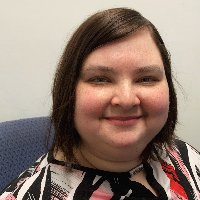
About Karen
Karen Schwartz Triana is a Licensed Clinical Professional Counselor (LCPC) and a Licensed Mental Health Counselor (LMHC) practicing in Florida with 14 years of experience. She works with people facing mood swings, ongoing low mood, anxiety, stress, relationship and family challenges, trauma, and related concerns such as postpartum depression and bipolar mood issues. Her work includes help for addiction, grief, parenting strain, ADHD, and workplace stress.
She uses straightforward, practical methods in sessions. Karen leans on client-centered conversations and cognitive behavioral strategies to identify unhelpful thoughts and try small, testable changes. She also uses motivational interviewing to build momentum and solution-focused steps to set short-term goals clients can measure.
Sessions are conversational and goal oriented. Karen checks in at the end of each meeting so people can say how the session felt and track small gains over time. She draws on narrative therapy ideas when helpful to reframe difficult experiences and on brief techniques that fit into everyday life.
Her background began in career counseling before moving into broader mental health work, so she often integrates practical planning with emotional support. People who want clear next steps and steady progress goals may find this approach helpful.
Karen works in English and practices in Florida. If you would like to learn more about how she works or the options for starting, follow the online therapy options and complete the short matching questionnaire to schedule a first session.
Therapeutic approaches and how they work online
Client-centered therapy focuses on listening without judgment and helping people name what matters to them; it is useful for building trust and clarifying personal goals. Cognitive Behavioral Therapy (CBT) looks at the links between thoughts, feelings, and behaviors and offers practical exercises to change patterns that contribute to low mood or anxiety. Motivational Interviewing helps people resolve mixed feelings about change and build readiness to try specific actions.Finding the right approach is part of the work. Karen will discuss options and collaborate with each person to decide which combination of methods best fits their needs, goals, and preferences. That collaborative planning can change over time as progress is reviewed.
Confirm current session options before booking so you know which formats are offered. Online sessions can make it easier to fit meetings into a busy week, allow shorter check-ins when needed, and reduce travel time. Therapists can use practical exercises, worksheets, and goal tracking in remote sessions to keep progress visible while adapting methods to everyday life.
Areas of expertise
Primary focus
Also works with
Additional focus areas
Therapeutic approaches
Experience
14+ years
Credentials
Florida, New York, Maryland
Languages
English
Frequently asked questions
What concerns does she help with?
She supports people with mood disorders, depression, anxiety, stress, relationship and family conflicts, trauma, and related issues such as postpartum depression and addiction.
What methods does she use in sessions?
She uses client-centered conversations, cognitive behavioral techniques, motivational interviewing, narrative ideas, and solution-focused strategies to set short-term goals.
How long has she practiced?
She has 14 years of experience, having started in career counseling and later expanding into mental health work.
What are her credentials and location?
She holds LCPC and LMHC credentials and practices in Florida with LMHC licensure noted for Florida and New York and LCPC in Maryland.
Does she offer sessions in other languages?
Sessions are offered in English.
Can international clients work with her?
She does not accept international clients at this time.
How are sessions scheduled and paid for?
Cost varies by location and sessions use a subscription that can be canceled at any time.
How do I begin a first session?
Select the See online therapy options button, complete a short matching questionnaire, and then schedule a first session.
Before you reach out
- Check that the state license on record covers the state you live in.
- You do not need a diagnosis or the right words. Saying "my mood has been up and down" or "I have felt low for weeks" is a fine place to start.
- Counselors offer talking support. Questions about medication belong with a doctor or psychiatrist, and the two can go side by side.
- A profile shows the topics a counselor lists; it is not a diagnosis or a promise of any result.
If you feel unsafe right now, call or text 988, or call 911.