- Cognitive Behavioral Therapy
- Parenting strategies
- Chronic illness support
About Katherine
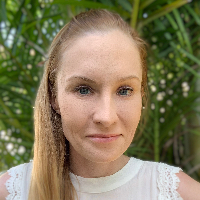
Dr. Katherine Sherman is a Florida psychologist (FL Psychologist PY9474) with ten years of clinical experience. She works with adults who are managing stress, anxiety, parenting concerns, depression, mood swings, and life transitions. She talks with people about sleep problems, anger, attention concerns, and self-esteem in clear, practical terms.
She uses cognitive-behavioral methods to help people notice unhelpful thoughts and try small behavior changes. Sessions focus on concrete skills such as behavioral activation for low mood and strategies to reduce worry and panic. She also offers coaching for parents who want straightforward, evidence-based approaches to manage challenging child behaviors.
Dr. Sherman has experience supporting people dealing with chronic illness, pain, and medical treatment stress. She works with obsessive-compulsive symptoms, phobias, trichotillomania, and related concerns by breaking problems into manageable steps and practicing new responses. Her approach is structured and goal-focused rather than abstract.
When people are facing big life changes she emphasizes practical coping tools. That can include sleep routines, activity planning, and skills to reduce emotional reactivity. Sessions are conversational and include homework so skills can be tried between meetings.
She sees adults in Florida and uses plain language during sessions so people understand options and next steps. If someone wants to try online therapy they should confirm current session options before booking and follow the clinic's intake steps to schedule a first visit.
How CBT and online sessions fit together
CBT is a hands-on approach that helps people notice patterns of thinking that make mood worse and then try practical behavior changes. It often includes activity planning for low mood, structured practice to reduce worry, and skills to manage panic or obsessive thoughts.For issues like insomnia or anger, CBT offers specific exercises and step-by-step strategies to test new habits and responses. Those tools are aimed at reducing symptom severity and building skills people can use outside of sessions.
Finding the right approach is part of working together. The therapist will discuss goals and preferences and will help decide how CBT techniques or related methods fit each person's needs. This is collaborative and may adjust over time based on what helps most.
Session format options are not listed in the original biography, so confirm current session options before booking. Online therapy can make it easier to fit sessions into a busy week, allow for shorter check-ins when needed, and reduce travel time. Speak with the intake team about which formats are offered and how to schedule sessions that fit everyday life.
Areas of expertise
Primary focus
Also works with
Additional focus areas
Therapeutic approaches
Experience
10+ years
Credentials
Florida
Languages
English
Frequently asked questions
What kinds of concerns does she address?
She works with stress, anxiety, depression, mood swings, sleep problems, anger, ADHD symptoms, and parenting challenges, plus related issues like OCD, phobias, and chronic illness adjustment.
What approach does she use in sessions?
She primarily uses cognitive-behavioral therapy (CBT), focusing on practical skills to change thoughts and behaviors and reduce symptoms over time.
How much clinical experience does she have?
She has ten years of professional experience working with people on anxiety, depression, parenting, and chronic illness related concerns.
What are her credentials and where is she based?
She is a Florida psychologist, credential FL Psychologist PY9474, and practices in Florida.
Which languages are supported in sessions?
Sessions are offered in English.
Can people outside the United States work with her?
She does not accept international clients at this time.
How are sessions scheduled and paid for?
Cost varies with location and sessions use a subscription that can be canceled at any time.
How do I begin a first session?
Select the See online therapy options button, complete a short matching questionnaire, and schedule a first session following the intake steps.
Before you reach out
- Check that the state license on record covers the state you live in.
- You do not need a diagnosis or the right words. Saying "my mood has been up and down" or "I have felt low for weeks" is a fine place to start.
- Counselors offer talking support. Questions about medication belong with a doctor or psychiatrist, and the two can go side by side.
- A profile shows the topics a counselor lists; it is not a diagnosis or a promise of any result.
If you feel unsafe right now, call or text 988, or call 911.