- Mood disorders
- CBT and DBT tools
- Attachment work
About Katherine
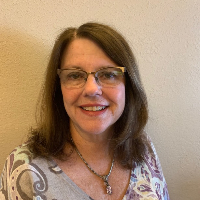
Dr. Katherine Walker is a California psychologist (CA Psychologist 15553) with 32 years of experience. She works with people dealing with depression, bipolar mood swings, anxiety, stress, and other mood disorders. Her background includes long experience helping people who face loss, relationship strain, job stress, and addiction.
She spent over three decades at a large health care organization where she carried clinical and managerial roles. That work brought her into contact with people across a wide range of concerns, from serious mental illness to everyday life changes. Her training includes an undergraduate degree from UC Berkeley and graduate study at the California School of Professional Psychology.
Her approach centers on seeing the strengths people already have and building from there. She uses conversational, straightforward sessions where she guides and supports the work the client does. Practical skills and reflection are used together so people can notice small changes that add up over time.
Therapeutic methods she draws on include attachment-based work, client-centered listening, cognitive behavioral tools, dialectical behavior strategies, and psychodynamic ideas. These methods help with mood regulation, relationship patterns, and coping with stress and grief. Dr. Walker aims to help people increase understanding of their reactions and develop clearer ways to manage daily demands.
She works in California and conducts sessions in English. For next steps, prospective clients are asked to use the site process to complete a short matching questionnaire and schedule a first session.
Therapeutic approaches and online sessions
Dr. Walker uses cognitive behavioral therapy to help people notice thinking and behavior patterns that affect mood and to practice new skills for managing daily life. She also uses attachment-based ideas to look at how relationship histories shape current responses and to build more supported ways of connecting with others. Her client-centered stance keeps sessions focused on what the person says matters most, with the therapist listening and reflecting to support progress.Finding the right approach is part of the work together. The therapist will discuss goals, preferences, and what has helped or not helped before, and will collaborate on choosing methods that fit the person’s needs. That means adapting techniques over time as goals change.
Confirm current session options before booking, since formats are not listed here. Online sessions can make it easier to fit therapy into everyday life by saving travel time, allowing shorter check-ins between commitments, or avoiding the need to be on camera for every meeting. These practical benefits help some people keep therapy consistent while they balance work, family, and other demands.
Areas of expertise
Primary focus
Also works with
Additional focus areas
Therapeutic approaches
Experience
32+ years
Credentials
California
Languages
English
Frequently asked questions
What kinds of concerns does she address?
She works with depression, bipolar mood swings, anxiety, stress, grief, addiction, and related mood disorders.
What is her therapeutic style?
Her style is conversational and client-centered, combining practical skills with reflective exploration.
How much clinical experience does she have?
She has 32 years of professional experience, including clinical and managerial roles at a large health care organization.
What are her credentials and where is she based?
She is a California psychologist, credential CA Psychologist 15553, and is based in California.
Which languages are supported in sessions?
Sessions are offered in English.
Can international clients work with her?
International clients are not currently accepted.
How are sessions structured and billed?
Session cost varies with location and uses a subscription model that can be canceled at any time.
How do I begin the process?
Select the See online therapy options button, complete the short matching questionnaire, and schedule a first session.
Before you reach out
- Check that the state license on record covers the state you live in.
- You do not need a diagnosis or the right words. Saying "my mood has been up and down" or "I have felt low for weeks" is a fine place to start.
- Counselors offer talking support. Questions about medication belong with a doctor or psychiatrist, and the two can go side by side.
- A profile shows the topics a counselor lists; it is not a diagnosis or a promise of any result.
If you feel unsafe right now, call or text 988, or call 911.