- Stress and anxiety
- Depression and grief
- CBT and DBT tools
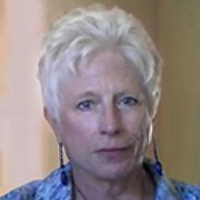
About Kim
Kim Connolly is a Licensed Marriage and Family Therapist (LMFT) in California with 35 years of clinical experience. She works with people dealing with stress, anxiety, grief, low mood, relationship difficulties, parenting strain, trauma and recovery from abuse. Kim uses straightforward, honest conversation and adapts her style to what each person needs.
Kim spent much of her career in nonprofit settings and has long-term experience with a wide range of concerns. She has supported people coping with physical pain, attachment problems, eating and food-related issues, and the effects of domestic violence. Her background includes helping those facing sudden life changes and the added pressures brought on by recent events like the COVID pandemic.
Her training and work history began in residential group settings and continued through a master’s in counseling at Sonoma State University, followed by licensure as an LMFT in California. Over the decades she has used many approaches so she can match methods to a person's needs rather than following a single method.
In sessions Kim is direct and interactive. She draws on Client-Centered ideas, cognitive tools, mindfulness practices, Dialectical Behavior Therapy strategies, and motivational interviewing to help people manage emotions and behavior. She also brings everyday humor when appropriate to ease difficult conversations.
Outside of clinical work she lives near the coast in California and is an avid dog person, with a long history of fostering and caring for animals. If her style sounds like a fit, prospective clients are encouraged to follow the site steps to begin the matching process.
Therapeutic approaches and online sessions
Kim uses Client-Centered Therapy to focus on what matters most to the person, offering a respectful, nonjudgmental way of talking through problems. Cognitive Behavioral Therapy (CBT) is used to identify unhelpful thoughts and try practical behavior changes that can reduce distress. She also uses Dialectical Behavior Therapy (DBT) skills for emotion regulation and coping when feelings feel overwhelming.Choosing the right approach is a collaborative process. Kim will work with each person to weigh their needs, goals, and preferences and then suggest which methods to try first. That plan is revisited as progress is made so the work can shift if something else would fit better.
Session format details should be confirmed before booking, since the profile does not list specific online options. In general, online sessions can make it easier to fit therapy into busy days, allow shorter check-ins when needed, and remove travel time for appointments. Ask about the current session formats when you complete the matching questionnaire so arrangements match your schedule and practical needs.
Areas of expertise
Also works with
Additional focus areas
Therapeutic approaches
Experience
35+ years
Credentials
California
Languages
English
Frequently asked questions
What concerns does she help with?
She works with stress, anxiety, depression, grief, trauma and relationship and family issues, among other concerns listed on her profile.
What is her therapy style like?
Her approach is direct and interactive, adapting methods to each person's needs and using honest conversation to set goals and review progress.
How much experience does she have?
She has 35 years of experience, including extensive work in nonprofit settings and long-term clinical roles.
What are her credentials and where is she based?
She is a California LMFT and practices from California.
Does she work in languages other than English?
Sessions are offered in English.
Can international clients work with her?
She is not currently accepting international clients.
How are sessions priced?
Cost varies with location and sessions use a subscription that can be canceled at any time.
How do I begin a first session?
Begin by selecting the See online therapy options button, completing the short matching questionnaire, and scheduling a first session.
Before you reach out
- Check that the state license on record covers the state you live in.
- You do not need a diagnosis or the right words. Saying "my mood has been up and down" or "I have felt low for weeks" is a fine place to start.
- Counselors offer talking support. Questions about medication belong with a doctor or psychiatrist, and the two can go side by side.
- A profile shows the topics a counselor lists; it is not a diagnosis or a promise of any result.
If you feel unsafe right now, call or text 988, or call 911.