- Depression support
- Anxiety coping
- Family dynamics
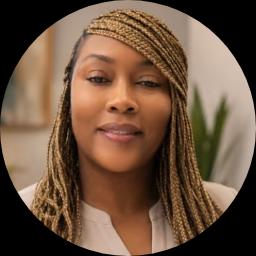
About LaShanda
LaShanda Bailey is an LPC (Licensed Professional Counselor) practicing in Alabama with seven years of experience. She works with people facing depression, anxiety, trauma, stress, anger, and family concerns. LaShanda helps clients who feel stuck by focusing on practical steps and clearer thinking.
She supports people through relationship transitions and family dynamics. That includes communication problems, blended family issues, caregiver stress, and divorce or separation. She also addresses attachment issues, abandonment fears, and struggles with self-worth and forgiveness.
LaShanda has experience working with the effects of abuse, domestic violence, and posttraumatic stress. She also assists those coping with addiction, anger, and the ongoing impact of traumatic events. Aging and geriatric concerns are also part of her work.
Her style is collaborative and person-centered. Sessions focus on identifying problems, practicing new skills, and making small changes that fit daily life. She aims to help people reduce overwhelming feelings and improve how they relate to others.
LaShanda often helps clients dealing with workplace stress, financial worries, questions about identity, and women's health issues. She speaks English and provides services in Alabama. For people unsure where to start, she recommends a brief questionnaire and an initial session to clarify goals.
She uses evidence-based therapeutic techniques and adapts them to each person's situation. People who want to address mood shifts, long low periods, or frequent irritability can expect clear steps and collaborative planning in sessions.
How therapeutic approaches are used in online sessions
Evidence-based therapeutic techniques are at the core of her work. One common approach she uses focuses on skills training to manage mood and anxiety, teaching breathing, grounding, and behavioral changes that reduce distress. Another approach addresses trauma-related symptoms by helping people process distressing memories and build safer patterns of relating to themselves and others. These methods aim to give concrete tools for daily life rather than abstract explanations.Finding the right approach is part of the work together. The therapist will review your concerns, goals, and preferences and then suggest techniques to try. Clients are invited to give feedback so methods are adjusted to what helps most in practice. This collaborative process helps shape a plan that fits each person's needs.
Confirm the available session options before booking since the biography does not list formats. Online therapy can make it easier to fit sessions into a busy week, reduce travel time, and allow for shorter check-ins when that suits a schedule. Some people find video helps them read nonverbal cues, while others prefer phone check-ins to use less bandwidth or to have a quicker meeting during a break at work. Discussing practical needs during the first meeting will help set a session format that works for daily life.
Areas of expertise
Primary focus
Additional focus areas
Experience
7+ years
Credentials
Alabama
Languages
English
Frequently asked questions
What concerns does she address?
She works with depression, anxiety, trauma and abuse, stress, anger, and a range of family concerns.
What is her therapeutic style like?
Her approach is collaborative and person-centered, focusing on practical steps and skill building in sessions.
How much experience does she have?
She has seven years of clinical experience supporting people with mood, trauma, and relationship challenges.
What are her credentials and location?
She holds the LPC credential and practices in Alabama.
Which languages are supported?
Sessions are offered in English.
Can international clients work with her?
She is not currently accepting international clients.
What formats are offered for sessions?
The original biography does not list specific session formats; confirm current session options before booking.
How are costs handled?
Cost varies with location and sessions use a subscription that can be canceled at any time.
Before you reach out
- Check that the state license on record covers the state you live in.
- You do not need a diagnosis or the right words. Saying "my mood has been up and down" or "I have felt low for weeks" is a fine place to start.
- Counselors offer talking support. Questions about medication belong with a doctor or psychiatrist, and the two can go side by side.
- A profile shows the topics a counselor lists; it is not a diagnosis or a promise of any result.
If you feel unsafe right now, call or text 988, or call 911.